
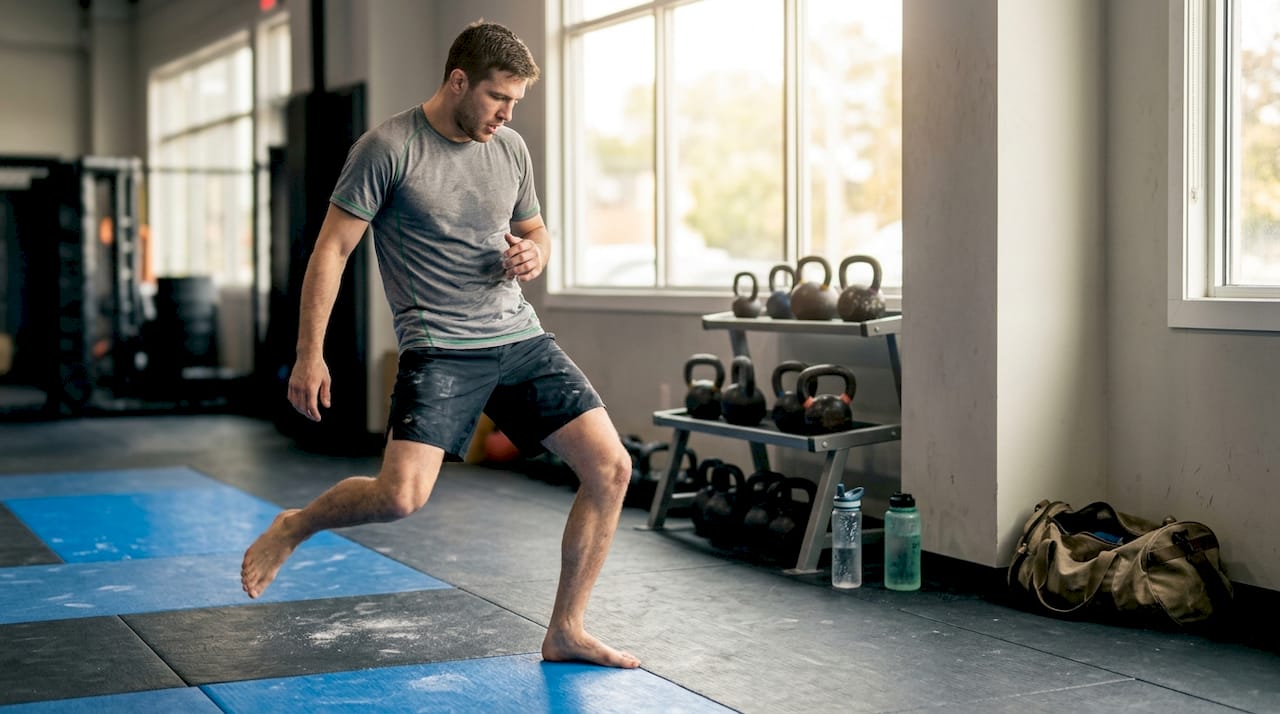
Achieving peak performance in mixed martial arts demands more than raw aggression or basic technique. You need a strategic understanding of distinct physical and mental components that work together to create a complete fighter. Whether you’re stepping onto the mat for the first time or refining skills you’ve developed over years, recognising how strength, conditioning, technical proficiency, flexibility, and mental resilience interact will transform your training approach. This article breaks down each essential component of MMA fitness, providing actionable insights to help you build a balanced, effective training programme tailored to your goals in Kuala Lumpur’s competitive martial arts scene.
Table of Contents
- Key takeaways
- Evaluating the core components of MMA fitness
- Strength and conditioning: building a powerful base
- Technical skills: mastering MMA techniques and drills
- Mobility and flexibility: enhancing range and injury prevention
- Mental toughness and recovery: the often-overlooked pillars
- Comparing and prioritising MMA fitness components
- Explore top MMA classes and training in Kuala Lumpur
- Frequently asked questions
Key Takeaways
| Point | Details |
|---|---|
| Balanced components | A balanced training programme across strength conditioning technique flexibility and mental resilience supports peak performance and consistent results. |
| Functional strength | Strength work should focus on multi joint movements that translate directly to cage performance rather than isolated bodybuilding exercises. |
| Plyometric power | Plyometric drills such as box jumps medicine ball slams and burpees enhance explosive speed for combinations. |
| Conditioning for rounds | Training should develop aerobic capacity for three round fights and anaerobic power for quick scrambles to maintain performance under fatigue. |
Evaluating the core components of MMA fitness
Before diving into specific training methods, you need clear criteria for assessing which components deserve priority in your programme. Strength and conditioning are foundational to MMA due to the sport’s physical demands, but evaluation extends beyond raw power. Consider these factors when building your fitness foundation:
- Performance impact: Does the component directly improve striking power, takedown defence, or submission escapes?
- Injury prevention: Will developing this area reduce your risk of common MMA injuries like shoulder strains or knee damage?
- Skill transfer: Does improvement in one component enhance others, such as flexibility supporting better striking range?
- Training efficiency: Can you develop this component alongside technical work, or does it require dedicated sessions?
- Recovery demands: How much rest does training this component require before your next session?
These criteria help beginners avoid common mistakes like overemphasising strength whilst neglecting mobility, or drilling techniques without adequate conditioning to maintain form during fatigue. Every component matters, but your current skill level and competition goals determine which deserves immediate focus. A newcomer might prioritise basic conditioning and fundamental techniques, whilst an experienced fighter preparing for competition may emphasise sport-specific drills and mental preparation. Understanding this evaluation framework ensures your training time produces measurable improvements rather than scattered effort across too many areas.
Strength and conditioning: building a powerful base
Physical power separates fighters who merely know techniques from those who execute them effectively under pressure. Conditioning for martial arts forms the bedrock of MMA fitness, supporting all fighting techniques from explosive takedowns to sustained ground control. Your strength programme should target functional movements that translate directly to cage performance rather than isolated bodybuilding exercises.
Effective strength training for MMA combines multiple approaches:
- Compound lifts: Deadlifts, squats, and bench presses build total-body power essential for throws and strikes
- Plyometric drills: Box jumps, medicine ball slams, and burpees develop explosive speed for combinations
- Resistance circuits: Kettlebell flows and battle rope intervals improve muscular endurance during extended exchanges
- Core stability work: Planks, rotational exercises, and anti-rotation holds strengthen punch power and takedown defence
Conditioning extends beyond simple cardio. You need both aerobic capacity for three-round fights and anaerobic power for sudden scrambles. High-intensity interval training mirrors the stop-start nature of MMA rounds, alternating explosive bursts with active recovery. Roadwork builds your aerobic base, whilst sprint intervals and hill runs develop the explosive conditioning required when you transition from striking to grappling mid-exchange.
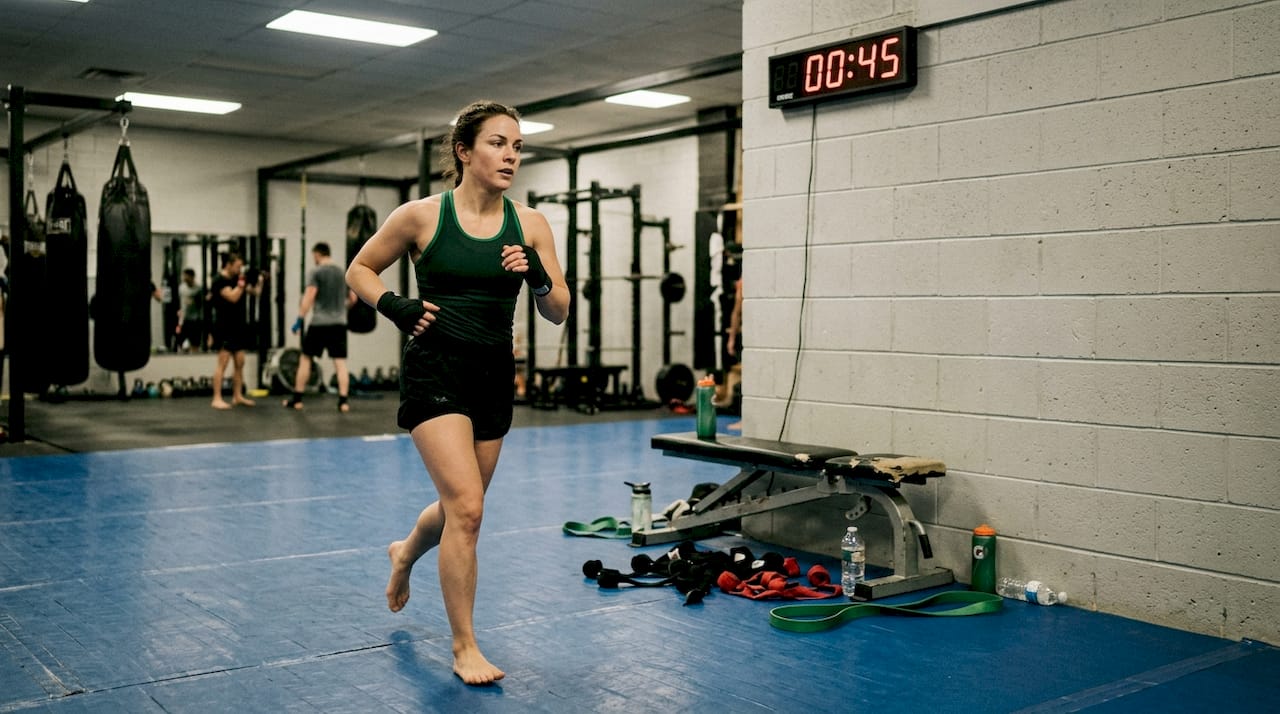
Pro Tip: Schedule heavy strength sessions 48 hours before technical training to prevent fatigue from compromising your form during skill work. This separation allows maximum effort in both domains whilst reducing injury risk from training tired.
Balancing strength gains with maintained flexibility prevents the muscle tightness that restricts kicking height or submission defence. Your programme should progress gradually, adding weight or intensity only after mastering movement patterns with lighter loads. This patient approach builds durable strength that supports years of training rather than short-term gains followed by injury.
Technical skills: mastering MMA techniques and drills
Physical attributes mean nothing without the technical proficiency to apply them strategically. Technical proficiency in stand-up, ground fighting, and clinch work is vital for MMA success, requiring thousands of repetitions to develop the muscle memory that functions under fight stress. Your technical training must cover three distinct ranges: striking distance, clinch, and ground positions.
Building comprehensive technical skills follows this progression:
- Fundamental striking: Master basic punches, kicks, elbows, and knees with proper form before adding power or speed
- Defensive movement: Develop head movement, footwork, and blocking that keeps you safe whilst creating counter opportunities
- Takedown mechanics: Drill both offensive takedowns and defensive sprawls until they become automatic responses
- Ground positions: Learn dominant positions, escapes, and transitions before attempting submissions
- Combination work: Chain techniques together, flowing seamlessly between ranges as openings appear
- Live sparring: Apply learned techniques against resisting opponents who expose gaps in your game
Each skill requires dedicated drilling separate from conditioning work. Shadowboxing ingrains striking patterns without fatigue interfering. Pad work with a coach provides feedback on power, accuracy, and timing. Positional sparring isolates specific scenarios like escaping side control or defending against cage pressure, allowing focused improvement without the chaos of open sparring.
Consistency matters more than intensity in technical development. Training MMA classes in Kuala Lumpur three times weekly with full focus produces better results than daily sessions where fatigue causes sloppy repetitions that reinforce bad habits. Film your sparring to identify recurring mistakes, then design drills specifically targeting those weaknesses. Technical mastery separates fighters who rely on athleticism from those who can outthink and outmanoeuvre opponents through superior skill.
Mobility and flexibility: enhancing range and injury prevention
Whilst strength builds power and technique directs it, flexibility determines whether you can actually execute techniques when opportunities arise. Proper flexibility and mobility training reduce injuries and improve movement efficiency in MMA, allowing higher kicks, deeper takedowns, and better submission defence. Tight hips restrict your ability to generate power in strikes or escape from bottom positions, whilst limited shoulder mobility compromises your defensive frames.
Comprehensive mobility work includes multiple approaches:
- Dynamic warm-ups: Leg swings, arm circles, and spinal rotations prepare joints for training whilst gradually increasing range
- Static stretching: Hold positions for 30-60 seconds post-training when muscles are warm and receptive to lengthening
- PNF stretching: Contract-relax methods using partner assistance produce rapid flexibility gains for experienced practitioners
- Yoga flows: Controlled sequences improve both flexibility and body awareness useful for balance and transitions
- Foam rolling: Self-myofascial release reduces muscle tension and accelerates recovery between sessions
Prioritise areas most relevant to MMA performance. Hip flexibility allows deeper stances, better sprawls, and higher kicks. Thoracic spine mobility improves your ability to rotate into powerful hooks and maintain posture during grappling exchanges. Shoulder flexibility supports defensive frames and reduces injury risk during armbar escapes.
Pro Tip: Dedicate 10 minutes to mobility work before every training session and another 10 minutes to static stretching afterwards. This consistent practice produces gradual improvements that accumulate into significantly enhanced range over months, preventing the flexibility plateaus that limit many fighters’ technical development.
Mobility training also reduces injury risk by ensuring joints move through full ranges rather than compensating with improper mechanics. A fighter with restricted ankle mobility might lean forward during kicks, compromising balance and power. Addressing these restrictions through targeted stretching and mobility drills improves both performance and training longevity.
Mental toughness and recovery: the often-overlooked pillars
Physical preparation receives most attention, but mental toughness and proper recovery are crucial to prolonging MMA careers and improving fight outcomes. Your mind determines whether you push through fatigue in the final round or whether you fold under pressure. Recovery protocols determine whether you can train consistently or whether accumulated fatigue leads to injury and burnout.
Mental conditioning techniques include:
- Visualisation practice: Mentally rehearse techniques and fight scenarios to build confidence and pattern recognition
- Controlled breathing: Box breathing and tactical breathing reduce anxiety and maintain composure during stressful exchanges
- Meditation routines: Daily mindfulness practice improves focus and emotional regulation both in training and competition
- Goal setting: Clear short-term and long-term objectives maintain motivation through difficult training phases
Recovery deserves equal attention to training intensity. Sleep quality affects hormone production, muscle repair, and cognitive function. Aim for eight hours nightly, maintaining consistent sleep and wake times even on rest days. Nutrition supports recovery through adequate protein for muscle repair, carbohydrates for glycogen replenishment, and micronutrients for immune function.
Schedule complete rest days weekly, allowing accumulated training stress to dissipate. Active recovery like light swimming or walking maintains blood flow without adding training load. Listen to persistent aches that signal overuse rather than pushing through pain that leads to serious injury.
“The fighter who can maintain composure when exhausted, who can think clearly whilst hurt, possesses an advantage no amount of physical training alone can provide. Mental preparation separates good fighters from champions.”
Many fighters neglect mental training until competition approaches, but consistent practice throughout your training cycle builds resilience that becomes automatic under pressure. Developing mental toughness alongside physical attributes creates a complete martial artist prepared for the psychological demands of competition.
Comparing and prioritising MMA fitness components
Understanding individual components helps, but knowing how they interact and which deserve priority at different skill levels makes the difference between scattered effort and focused improvement. This comparison reveals how to allocate training time based on your current development stage and specific goals.
| Component | Beginner priority | Advanced priority | Training frequency | Primary benefit |
|---|---|---|---|---|
| Conditioning | High | Medium | 3-4 sessions weekly | Endurance for full rounds |
| Basic technique | Highest | Medium | 4-5 sessions weekly | Fundamental movement patterns |
| Strength | Medium | High | 2-3 sessions weekly | Power generation |
| Flexibility | Medium | Medium | Daily 20 minutes | Injury prevention, range |
| Mental training | Low | High | Daily 10 minutes | Competition readiness |
| Advanced technique | Low | Highest | 4-6 sessions weekly | Strategic advantage |
Beginners should emphasise conditioning and fundamental techniques, building the physical base and movement patterns that support all future development. Rushing into advanced techniques without adequate conditioning leads to sloppy execution and reinforced bad habits. As you progress, shift focus towards strength development and sport-specific conditioning that mirrors competition demands.
Advanced practitioners benefit from prioritising mental preparation and technical refinement over basic conditioning, though maintaining your aerobic base remains essential. Your MMA training should evolve as you develop, with periodised programmes that emphasise different components during specific training phases. Pre-competition blocks might increase technical sparring whilst reducing heavy strength work to prevent fatigue. Off-season training could prioritise strength gains and addressing technical weaknesses identified during competition.
Balance remains crucial regardless of experience level. Neglecting flexibility whilst pursuing strength gains creates injury-prone fighters. Overemphasising technique without adequate conditioning produces skilled fighters who fade in later rounds. Use this comparison framework to audit your current programme, identifying neglected areas that limit your overall development.
Explore top MMA classes and training in Kuala Lumpur
Understanding MMA fitness components provides the knowledge foundation, but applying these principles under expert guidance accelerates your progress dramatically. Monarchy MMA offers comprehensive adult martial arts classes in Kuala Lumpur designed for all skill levels, from complete beginners to competitive fighters refining specific techniques.

Our MMA classes in Kuala Lumpur integrate all fitness components into structured programmes that develop well-rounded martial artists. You’ll train alongside supportive teammates under coaches with international competition experience who understand how to progress safely whilst maximising improvement. We offer free trial sessions, allowing you to experience our training environment before committing.
For personalised attention targeting your specific goals, martial arts private lessons provide customised programming that addresses your unique strengths and weaknesses. Whether you need help with conditioning protocols, technical refinement, or competition preparation, our coaching staff designs sessions that accelerate your development efficiently. Visit any of our four Kuala Lumpur locations to begin your MMA fitness journey with proven training methods and world-class facilities.
Frequently asked questions
What are the essential physical components of MMA fitness?
MMA fitness comprises five core elements: strength for power generation in strikes and grappling, cardiovascular conditioning for sustained performance across rounds, technical proficiency in striking and ground work, flexibility for injury prevention and range of motion, and mental toughness for maintaining composure under pressure. Each component contributes uniquely to fight readiness, requiring balanced development rather than overemphasising any single area.
How can beginners start improving their MMA fitness safely?
Beginners should start with foundational conditioning like roadwork and bodyweight circuits whilst learning basic techniques in structured classes under qualified instruction. Progress gradually, allowing your body to adapt to training demands before increasing intensity or volume. Seek guidance from experienced coaches at established gyms who can identify and correct form issues before they become ingrained habits, and schedule adequate rest days to prevent overtraining injuries common among enthusiastic newcomers.
Why is mental toughness important in MMA training?
Mental resilience determines whether you maintain technical execution when fatigued, stay composed when hurt, and push through difficult training phases that separate improving fighters from those who plateau. It supports coping with the psychological demands of competition, including pre-fight anxiety and in-fight adversity. Mental recovery through stress management and mindfulness proves as crucial as physical rest, preventing burnout that ends promising martial arts careers prematurely.
What role does flexibility play in MMA performance?
Flexibility improves your range of motion for techniques like high kicks, deep takedown shots, and submission escapes whilst significantly reducing injury risk during dynamic movements. Tight muscles restrict power generation and force compensatory movement patterns that stress joints inappropriately. Regular stretching and mobility work allows your body to move efficiently through full ranges, supporting both offensive technique execution and defensive reactions that require sudden position changes.