The world can be an unpredictable place, and the feeling of vulnerability is all too familiar for many. The empowering truth, however, is that those feelings of defenselessness can be diminished or even erased through self-defense training. By embracing the principles of self-defense, individuals are taking command of their safety in a way that extends beyond physical confrontations, enriching their confidence and awareness in everyday life.
Understanding the Basics of Self-Defense
Self-defense is much more than the martial arts techniques performed in controlled gym environments or flashy moves in movies. It’s a holistic approach combining physical skills, mental awareness, and emotional preparedness. When people embark on their self-defense journey, they often experience a transformation that transcends physical boundaries, providing a significant mental and emotional upgrade.
Mental Awareness and Situational Awareness
At the core of self-defense is situational awareness—understanding your surroundings and identifying potential threats before they escalate. Techniques like awareness radius and proactive scanning are essential tools. For beginners, exercises such as practicing mindfulness and assessing risks in familiar environments can elevate their situational prowess over time.
Emotional Intelligence and Decision-Making
Self-defense also involves making split-second decisions during stressful situations. By honing emotional intelligence—understanding emotional responses and managing fear—individuals can train themselves to remain composed and responsive rather than reactive. Techniques such as controlled breathing and positive visualization can bolster one’s emotional toolkit.
The Importance of Physical Techniques
Physical self-defense techniques are the backbone of personal safety. These involve learning various grappling, striking, and evasive maneuvers to protect oneself during physical confrontations. Let’s look into some beginner-friendly techniques that create a solid foundation.
Basic Strikes and Blocks
1. Palm Strikes and Elbows: These fundamental strikes allow for efficient power delivery while maintaining stability. A well-executed palm strike can neutralize a threat in close quarters.
2. Low Kicks and Knee Strikes: While kicking techniques are often considered advanced, initiating training with low kicks can build balance and flexibility.
3. Defensive Blocks: Defensive maneuvers, such as forearm blocks and foot positioning, aid in recognizing and redirecting attacks, minimizing the impact on the defender.
Grappling and Holding Techniques
1. Wrist Locks: Simple and effective holds like wrist locks can control an opponent with minimal effort.
2. Standing Clinch: The ability to maintain control of a situation via a clinch can turn the tide of an encounter, providing leverage to apply further techniques or disengage safely.
Training Environments and Practice Routines
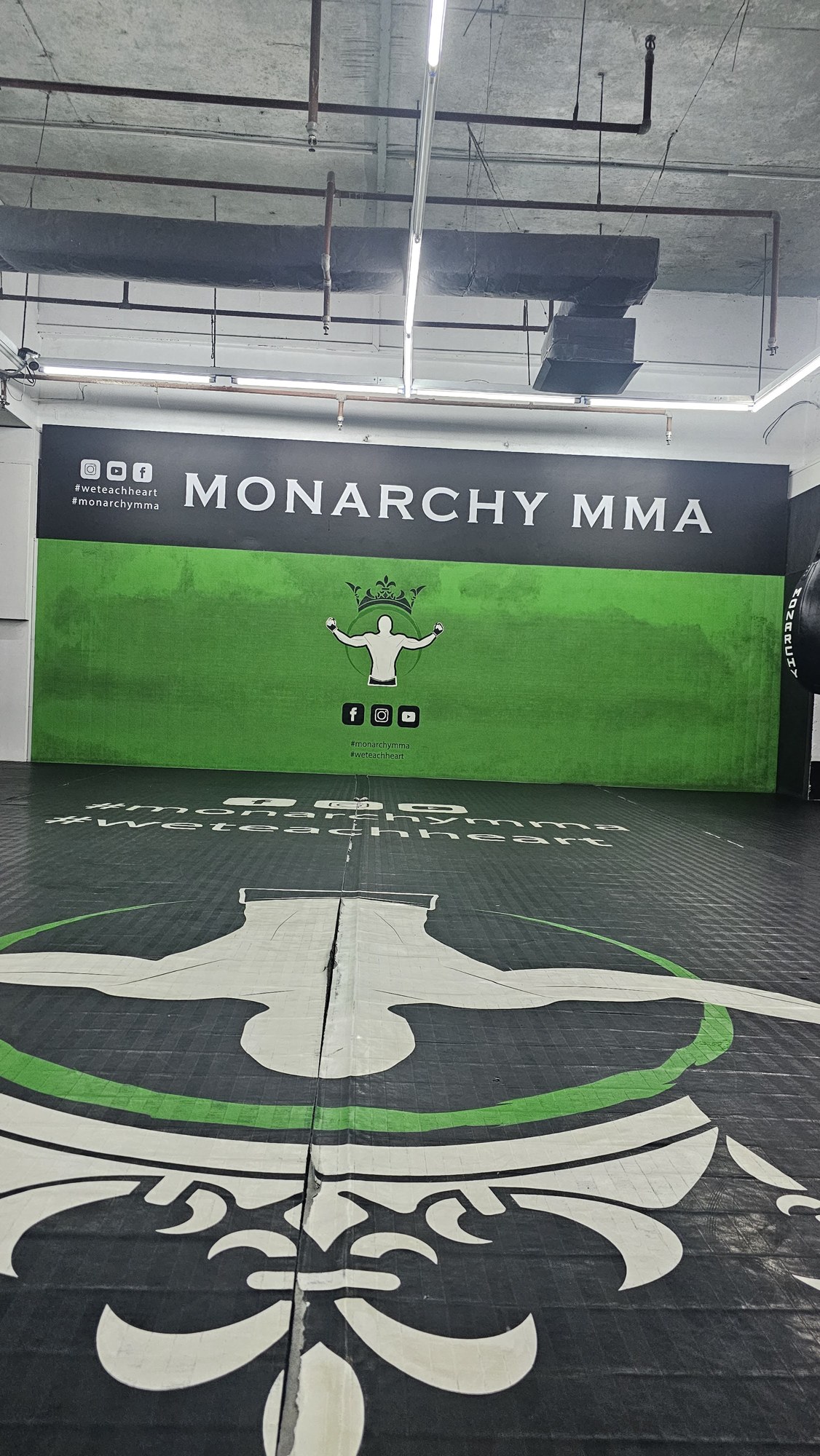
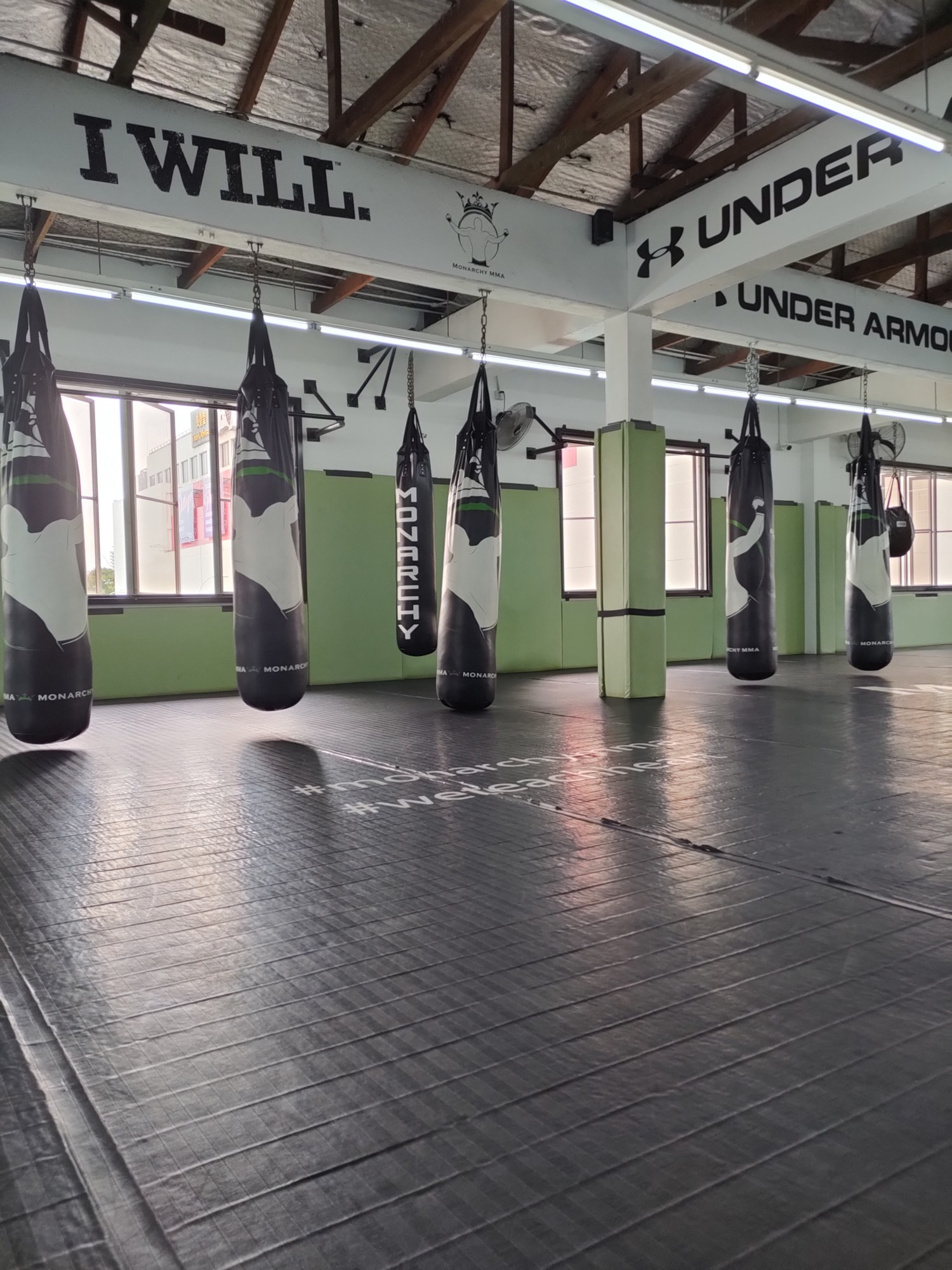
A structured training environment is critical for effective learning. This is where Monarchy MMA comes into play, providing a platform with tailored programs for beginners. Located conveniently for residents across Petaling Jaya, Subang, and Shah Alam, their Striking and Grappling Initiation classes are perfect for those just starting on their self-defense journey.
Step-by-Step Framework for Beginners
1. Find the Right Class: Start with beginner-specific sessions, such as those offered in Monarchy MMA’s Grappling Initiation class. These focus on fundamental moves without overwhelming participants.
2. Practice Partner drills: Performing controlled partner drills enhances understanding of timing and spatial awareness, critical components of any defensive technique.
3. Consistency Over Intensity: Frequent, consistent training sessions are more effective than sporadic high-intensity practices. Establish a regular schedule that fits into your lifestyle.
The Power of Community Support
In self-defense, the training community plays a vital role in personal development. Engaging with others on the same journey provides encouragement, accountability, and shared learning experiences.
Building Confidence through Interaction
Practicing techniques with others fosters a sense of camaraderie and mutual respect, paving the way for confidence that translates outside the gym. Monarchy MMA, highly rated at 4.8 stars from an impressive 879 Google reviews, highlights the welcoming atmosphere and supportive culture maintained across all their locations, making it an ideal choice for newcomers.
Mentorship and Role Models
Observing seasoned practitioners and coaches like William Hill or Marcelo Junior provides invaluable insights into technique application and etiquette. Their experience serves as a motivational beacon for beginners navigating self-defense.
Comparing Self-Defense: Traditional vs. Modern Techniques
Here’s a comparison of traditional versus modern self-defense techniques to aid beginners in deciding which approach aligns best with their goals:
| Traditional Techniques | Modern Techniques |
|---|---|
| Focus on forms and katas | Emphasis on practical sparring |
| Often slow progression | Faster skill ‘stacking’ |
| Cultural and ritual focus | Direct applicability to real-world scenarios |
| Ideal for mental discipline | Suitable for immediate self-protection concerns |
What Our Students Say — ⭐ 4.8 average rating from 879 Google reviews across all Monarchy MMA locations
★★★★★
“It was basically a private class! As a practitioner of striking sports, it was initially tough for me to start something as a complete beginner. But the teaching style really put me at ease.”
— Ahsan
Key Takeaways
- Self-defense involves physical, mental, and emotional components, expanding beyond mere combat skills.
- Basic striking and grappling techniques form the core of effective self-defense for beginners.
- Regular training in a structured environment, like at Monarchy MMA, enhances learning and skill retention.
- Community support and quality mentorship can exponentially boost personal growth and confidence.
- Choose a self-defense approach that balances traditional skills with modern practical techniques.
FAQ
What is the first step to learning self-defense?
The initial step is to choose a beginner-friendly class, focusing on fundamental skills such as those available at Monarchy MMA’s Striking Initiation program.
How often should a beginner practice self-defense techniques?
Consistency is key. Beginners should aim for at least 2-3 times a week to ensure skills begin to take hold without causing burnout.
Can self-defense be effectively learned without prior experience?
Absolutely. Self-defense programs are designed to start from the basics, making them accessible for individuals with no prior training.
How can self-defense training improve situational awareness?
Training sharpens one’s ability to assess environments and potential threats, encouraging proactive measures to avoid dangerous situations.
What role does Monarchy MMA play in a beginner’s self-defense journey?
Monarchy MMA serves as an excellent starting point by offering structured programs and a supportive community to guide beginners through their learning process.
Embarking on your journey toward personal safety is a commitment to yourself, and Monarchy MMA is dedicated to fostering that commitment through their well-rounded programs. For those ready to begin, exploring their beginner classes could be the first step. Whether your interest lies in striking or grappling, the diverse options available cater to all aspirations, providing a reliable path to empowerment.