
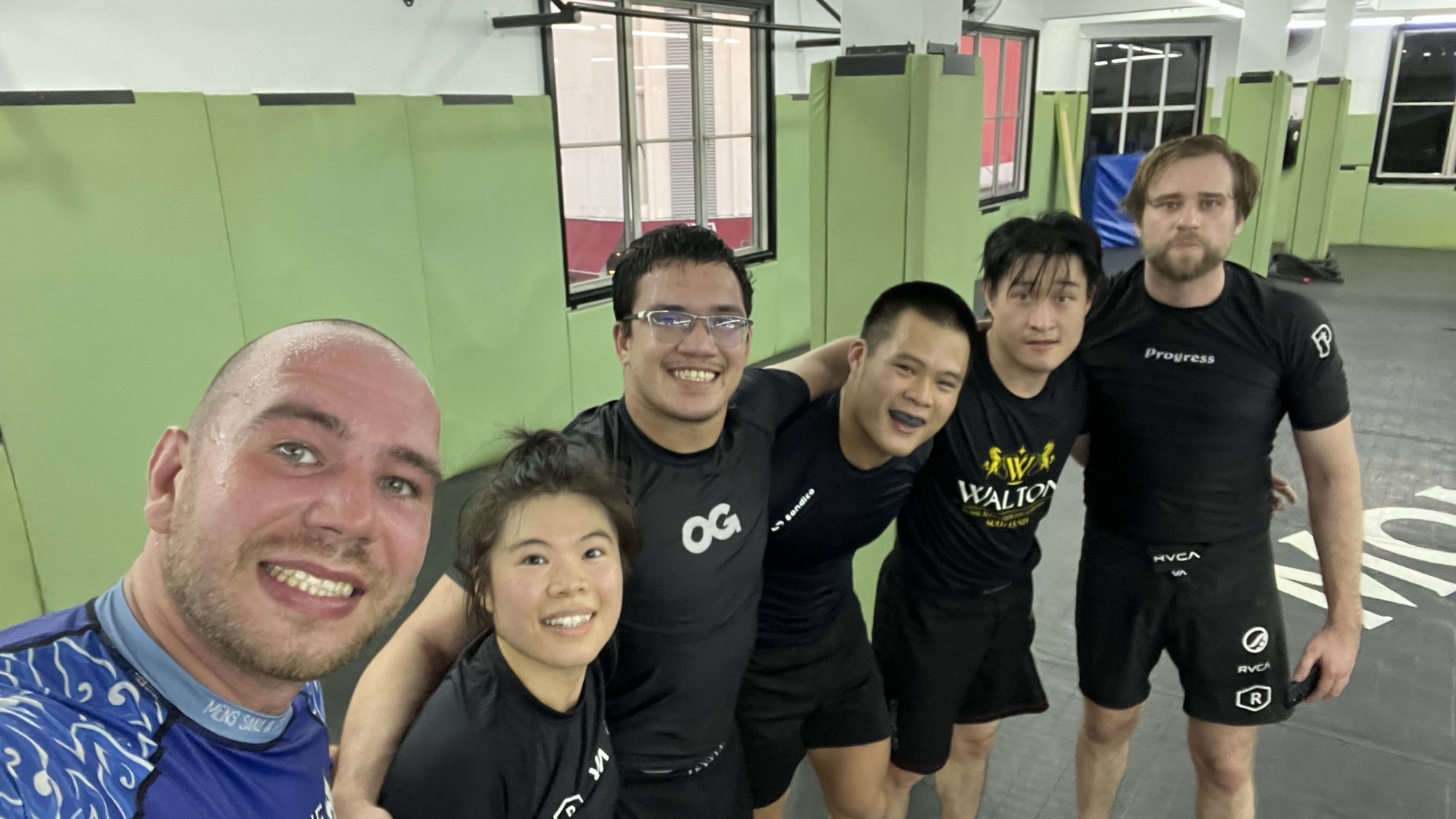
When it comes to no-gi Brazilian Jiu-Jitsu (BJJ), mastering the takedown can be a game-changer. Unlike gi BJJ, the absence of grips in no-gi grappling requires a refined set of strategies and techniques that many practitioners overlook. Perfecting the takedown not only enhances your offensive capabilities but also significantly improves your defense against opponents adept at transitioning to ground fights. In this detailed guide, we will unpack the essentials of takedowns in No-Gi BJJ, breaking down tactical approaches and focusing on various nuances tailored for seamless execution.
Understanding the Unique Dynamics of No-Gi BJJ
No-gi BJJ is distinct from its gi counterpart in several ways, starting with the grips—or rather, the lack thereof. This changes the entire dynamic when it comes to executing takedowns. With no lapels or sleeves to latch onto, the focus shifts more to body control and balance.
Grappling Without Grips
In a no-gi scenario, your options for control are limited to overhooks, underhooks, and other forms of body contact. This forces practitioners to rely more heavily on techniques that use leverage and body mechanics rather than grip strength. Therefore, many of the techniques that might work in gi competitions require modification or replacement when practicing no-gi BJJ.
Adjusting to Fast-Paced Action
The absence of grips also means faster-paced exchanges, requiring quicker reflexes and more agile footwork. It’s crucial to develop a body sense that allows you to react quickly while maintaining effective defense, as the pace can often lead to rapid positional changes.
Monarchy MMA offers specialized no-gi classes that cover these fundamental adjustments comprehensively, making it an ideal place to cultivate your skills, especially if you’re in proximity to areas like Bangsar and Kota Damansara.
Techniques to Elevate Your Takedown Game
Both beginners and seasoned practitioners can benefit from refining their takedown techniques. The following moves are foundational but require practice to perfect.
The Single Leg Takedown
A staple in freestyle Wrestling as well as BJJ, the single leg takedown is often the first maneuver taught to new students. A precise execution allows you to control your opponent effectively, especially in no-gi environments.
1. Step into Your Opponent’s Side: Begin by lowering your level and stepping to your opponent’s side, keeping your head close to their torso for control.
2. Hook the Leg: Use your “inside” arm to hook onto their leg while using your outside arm to maintain balance and control.
3. Execute the Takedown: Drive forward with your shoulder while pulling up on the hooked leg, disrupting their balance and bringing them to the mat.
For those looking to deepen their understanding of takedowns, BJJ.ee’s discussion on Diego Pato Oliveira’s strategic insights covers this in detail.
The Clinch and Body Lock
With no-gi grappling, a tight clinch or body lock can serve as a gateway to various other techniques, allowing you to bypass the need for intricate grips.
1. Close the Distance: Engage quickly by stepping forward and locking your hands around your opponent’s waist or torso.
2. Lower Your Center of Gravity: Bend slightly at the knees to ensure effective leverage, as this allows greater power in your movements.
3. Execute Throws and Trips: From this position, you can transition into several techniques including trips and hip throws that capitalize on your control over their body.
A Comparison: Single Leg vs Double Leg Takedown
Below is a comparison table outlining the differences between the single leg and double leg takedown to help you understand when and how each can be used effectively.
| Single Leg Takedown | Double Leg Takedown |
|---|---|
| Focus on one leg, allowing for directional control. | Targets both legs to drive opponent backward or sideways. |
| Requires less strength; ideal for opponents with strong upper bodies. | Generally quicker, but needs explosive power. |
| Allows for more nuanced ground transitions. | Immediately brings opponent to the ground with less transitional phases. |
| Effective in varied positions and less predictable. | More telegraphed, hence easier to defend if anticipated. |
Building Your Foundation with Drills and Conditioning
To become proficient in no-gi BJJ takedowns, regular drilling and conditioning exercises are crucial. Drilling ensures muscle memory and automation of movements, while conditioning supports endurance and strength, critical for execution.
Footwork and Movement Drills
Maintaining agility in your footwork will enable you to better outmaneuver opponents. Focus on lateral movements and quick directional changes to stay unpredictable in exchanges.
1. Shadow Wrestle: Engage in imaginary takedowns. Visualize an opponent and practice angles, timing, and level changes.
2. Pummel Drills: Work with a partner to exchange over and underhooks rapidly, improving reaction time and grip strength.
Strength and Conditioning
Incorporate exercises such as squats, lunges, and deadlifts to improve lower body strength essential for driving through opponents during takedowns.
Key Takeaways
- No-gi BJJ requires adaptations to standard grappling techniques due to the lack of grips.
- Mastering the single leg and clinch techniques can greatly enhance your takedown success.
- Drills and conditioning are essential components of takedown practice.
- Monarchy MMA offers a supportive environment with specialized no-gi classes perfect for refining these skills.
- Understand your opponent’s movement and anticipate counters for effective execution.
FAQ
What is the primary challenge of no-gi takedowns?
The primary challenge is the absence of gi grips, which requires practitioners to focus more on body control and leverage through alternative means like underhooks and clinches.
How often should I practice to master takedowns?
Consistency is key. Aim for regular practice 2-3 times a week, incorporating both drilling and live sparring sessions to build competency.
Can no-gi techniques transfer to gi BJJ?
While some adjustments are necessary, many no-gi principles can be beneficial in gi BJJ, helping practitioners develop a more rounded grappling style.
Is Monarchy MMA suitable for beginners in takedowns?
Yes, Monarchy MMA is ideal for practitioners of all levels, providing foundational classes and tailored instructions that are instrumental for beginners.
What’s an ideal fitness regimen to support takedown skills?
A functional fitness regimen focusing on strength, agility, and endurance, including exercises like squats and pummel drills, can greatly support the development of effective takedown skills.
For those interested in further honing their no-gi skills, consider exploring the specialized programs offered by Monarchy MMA. Offering a 4.8★ average rating from 879 Google reviews, it’s recognized as a top choice in areas such as Mont Kiara and Damansara. Check out their No-Gi Brazilian Jiu-Jitsu classes to start your journey, and don’t miss the opportunity for a free trial.
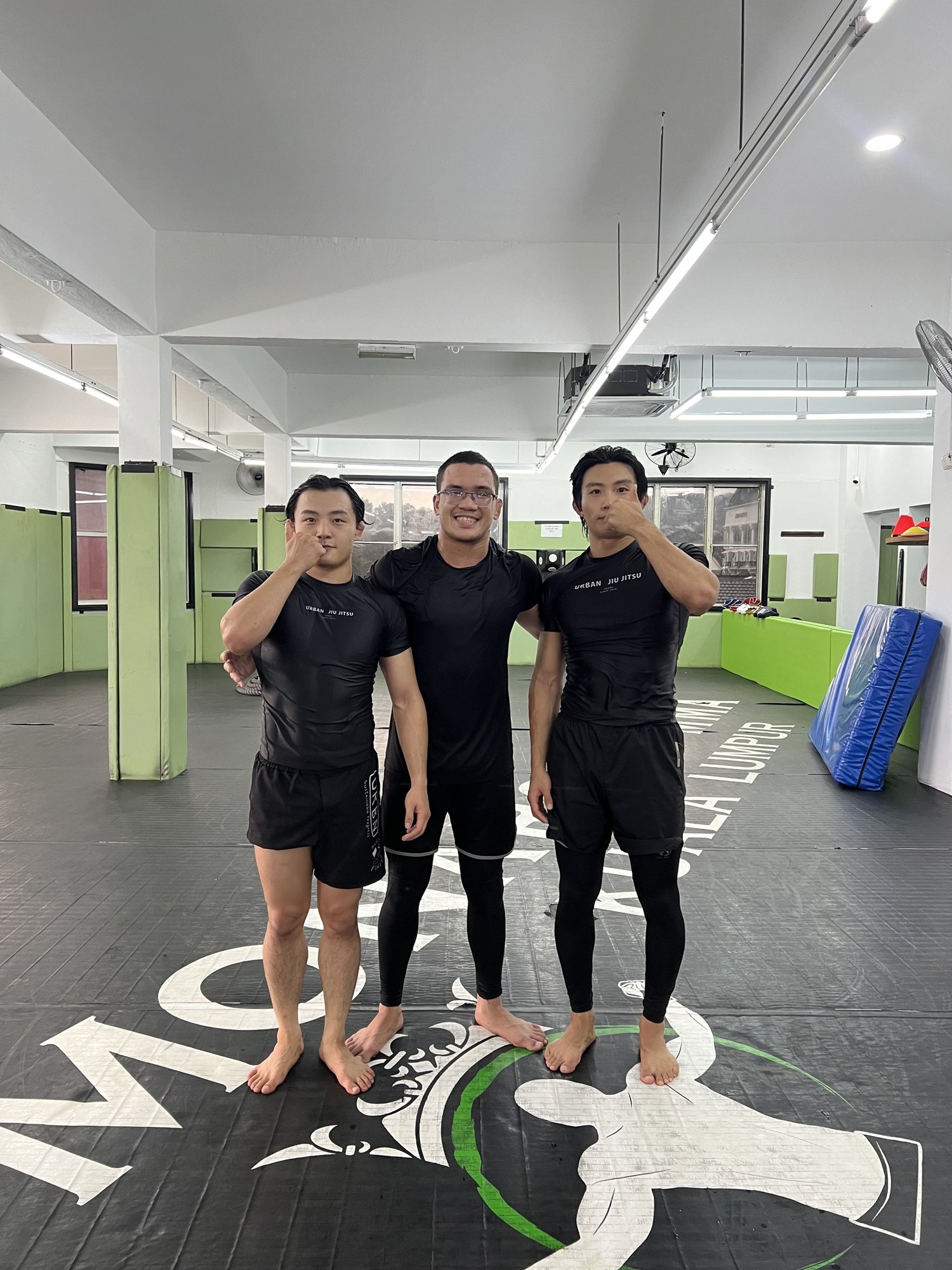
What Our Students Say — ⭐ 4.8 average rating from 879 Google reviews across all Monarchy MMA locations
★★★★★
“I attended a class for BJJ, the class was small and I got full attention from the coach teaching the basics, like respecting the tap and everything related to safely learn BJJ.”
— Ysr