
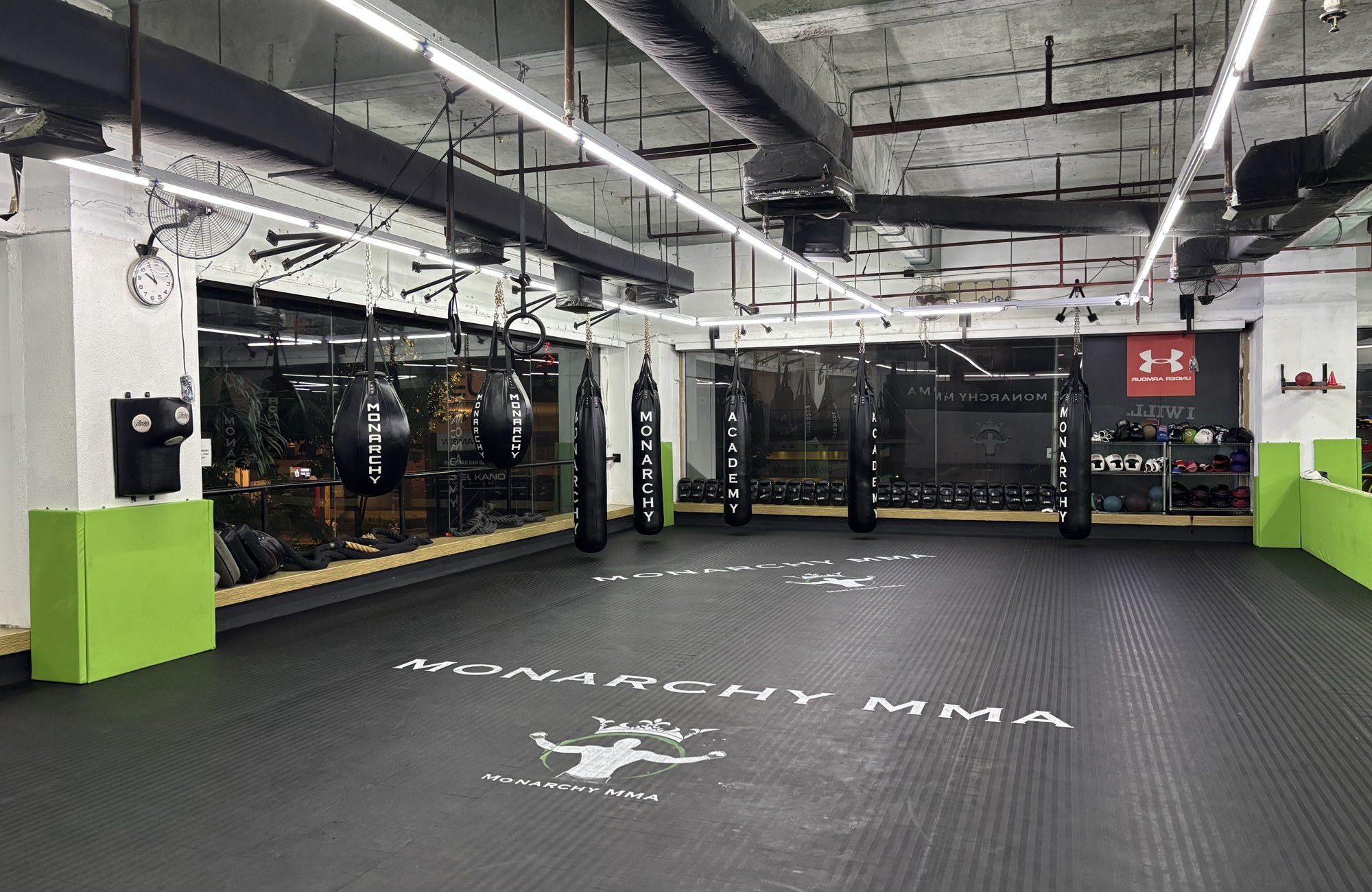
Taking control in martial arts often begins with mastering one’s hold over an opponent, and back control is considered one of the most advantageous positions in grappling. According to experts, effective back control increases your chances of submission significantly, giving you a decisive edge whether you’re in a competitive match or a casual sparring session. At Monarchy MMA, we emphasize the importance of technique and strategy in maintaining this dominant position. With 14+ years of experience, we understand the nuances required to transition effectively to submission from the back.
Understanding the Fundamental Position
To maintain back control effectively, it’s crucial to first understand what constitutes the position. Back control primarily involves having both hooks securely placed on an opponent’s thighs or waist and controlling their upper body, usually with a seatbelt grip. This positioning limits an opponent’s mobility, placing you in a position of power where you can work toward a submission.
The Importance of Hooks and Seatbelt Grip
The hooks are your primary point of leverage. They are instrumental in maintaining balance and preventing the opponent from simply rolling away. Meanwhile, the seatbelt grip – with one arm over the shoulder and the other under the arm, grabbing your own wrist – acts as an additional anchor. To maintain this grip:
1. Secure both your hooks tightly and adjust them as your opponent moves.
2. Ensure your chest is flat against their back, limiting space and mobility.
3. Keep your elbow tight to their shoulder to prevent escape attempts.
This control not only immobilizes but also sets the groundwork for further strategic advancements, like transitioning to a rear-naked choke.
Transitioning to Submissions
Effective back control is not just about holding your opponent; it’s about transitioning seamlessly into submissions. The rear-naked choke (RNC) is one of the most popular and effective techniques from this position.
Executing the Rear-Naked Choke
1. Grip Transition: Start by transitioning your seatbelt grip into a choking grip, sliding your arm under the opponent’s chin.
2. Lock the Choke: Place the choking hand’s elbow flush under the opponent’s chin. Use the opposite hand to lock your biceps, creating a V shape around their neck.
3. Apply Pressure: Compress your elbows together and expand your chest, applying even pressure around the neck for an effective choke.
Practicing these techniques at Monarchy MMA not only helps refine your skills but also improves your ability to adapt under the guidance of experienced coaches like João Pantoja and William Hill.
Anticipating and Countering Escapes
Being proactive about potential escape routes is pivotal. Opponents will often attempt to peel off the hooks or create space to escape the back. Understanding these escapes is half the battle won.
Common Escape Scenarios
– Peeling Hooks: Opponents may reach down to remove your hooks. Prevent this by adjusting your feet and applying pressure with your heels.
– Head Turning: Competitors might turn their head to face you, aiming to circle into your guard. Counter this by following their movement, transitioning back into a dominant position.
Drills and Spar Strategies
Consistent practice differentiates a novice from an expert. Drills tailored to reinforce back control techniques are vital.
Isolation Drills
Set aside time specifically to work on maintaining back control under different circumstances. Drills focusing on retention against an opponent trying to escape help in honing reflexes and technique.
– Round Robin Drills: Pair off and switch partners frequently. Start in back control and maintain the position for a designated period.
– Controlled Sparring: Engage in sparring sessions starting from back control, aiming to transition to submissions only.
These structured practices enhance muscle memory so that the nervousness of a real competition, such as belt testing and tournament preparation, becomes more manageable when faced with these scenarios.
Tactical Variations for Different Skill Levels
Every martial artist brings different strengths to the mat. Thus, adapting your back control strategy to fit your skill level and that of your opponent can provide a significant advantage.
| Beginner Approach | Advanced Approach |
|---|---|
| Focus on maintaining simple hooks and grips. | Utilize the grapevine technique, spreading their legs to destabilize. |
| Develop basic escape prevention tactics. | Implement baiting tactics to lure the opponent into submissions. |
| Practice maintaining back control without losing position. | Engage in simultaneous transitions to submissions and control maintenance. |
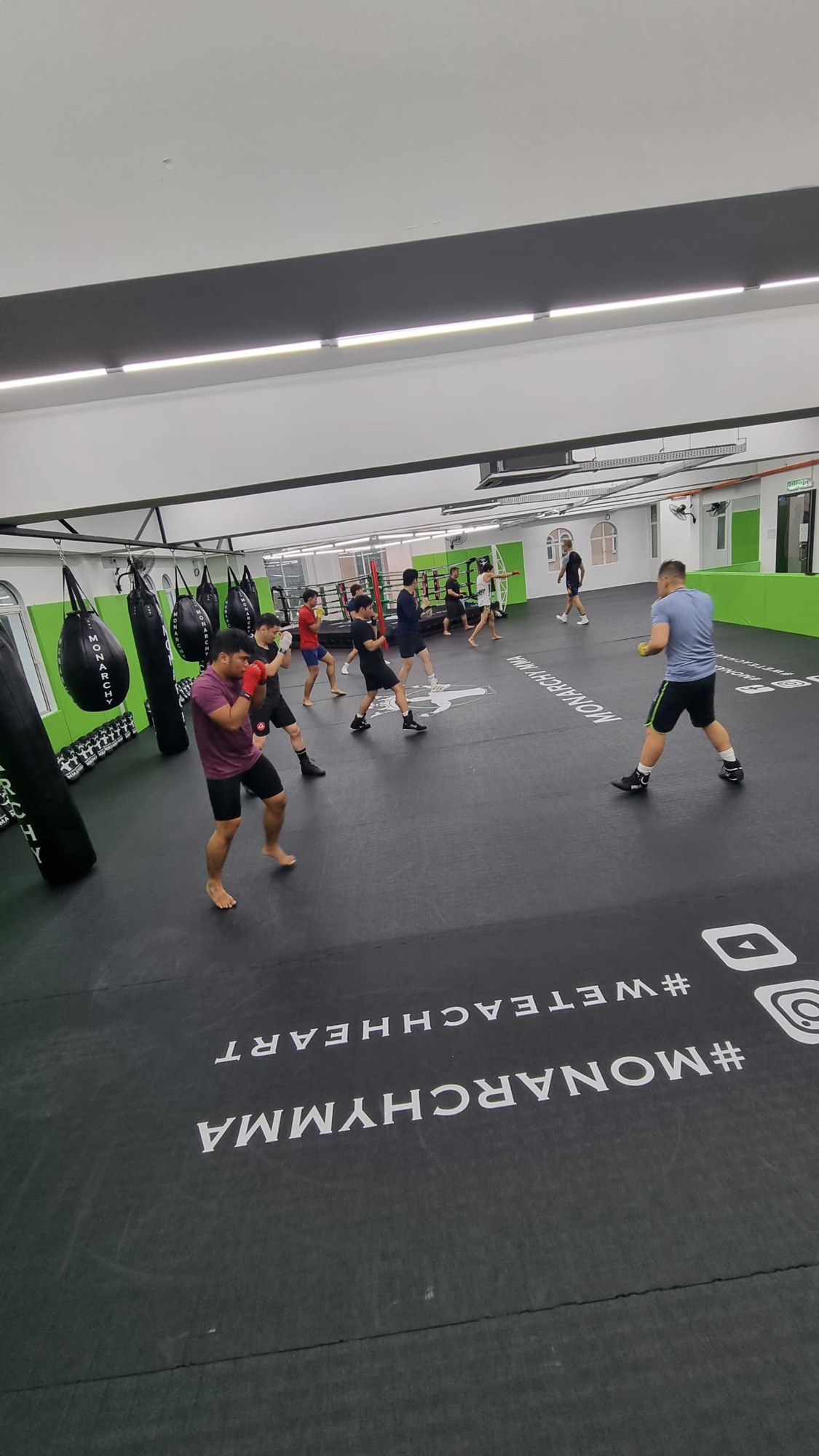
Remember, at Monarchy MMA, our instructors guide students through level-appropriate techniques, emphasizing gradual progression and skill building.
Key Takeaways
- Secure your hooks and employ a tight seatbelt grip for effective back control.
- Practice transitioning to submissions like the rear-naked choke from back control.
- Anticipate common escape attempts and adjust your strategy accordingly.
- Tailor your approach based on your skill level, utilizing drills for improvement.
- Engage with experienced coaches at Monarchy MMA to optimize skill development.
FAQ
How can I practice back control on my own?
Try using a grappling dummy to simulate the opponent. Focus on positioning, grip transitions, and applying pressure correctly.
What should I do if I’m losing back control?
Focus on staying calm. Adjust your hooks and re-secure your seatbelt grip if needed. Follow your opponent’s movements to reestablish control.
How often should I practice these techniques?
Incorporating them into your weekly training routine at least twice, alongside general grappling drills, can significantly improve your proficiency.
Are there any particular fitness exercises that help with back control?
Core and hip stability exercises are crucial, as well as grip strength training to maintain control under physical pressure.
Can beginners effectively execute back control?
With proper guidance and practice, beginners can learn the basics and effectively maintain back control against opponents of similar skill levels. Joining a structured program, such as the Initiation classes at Monarchy MMA, can accelerate this learning curve.
For those looking to deepen their understanding of advanced back control techniques, BJJ.ee’s coverage on the complex ethical challenges within the sport provides nuanced insights into the roles and responsibilities inherent in martial arts mastery.
Whether you’re starting your journey or advancing your skills, Monarchy MMA, located conveniently in Bangsar, City Centre, and other areas, continues to offer a welcoming environment where you can refine your techniques with seasoned experts boasting a 4.8★ average rating from 879 Google reviews.
What Our Students Say — ⭐ 4.8 average rating from 879 Google reviews across all Monarchy MMA locations
★★★★★
“My 4 year old had his first BJJ class here yesterday. Everyone was so lovely and welcoming. He had the best time and keeps asking me when are we going back!”
— Sophie