
In the world of Brazilian Jiu-Jitsu (BJJ), the no gi style provides a unique approach that challenges practitioners in ways the traditional gi approach does not. Beyond the absence of a gi, it requires a distinct set of techniques and mental adjustments from students. Advocates argue that no gi not only enhances physical adaptability and agility but also opens a pathway to a potentially larger competitive landscape, with its practical application in mixed martial arts (MMA).
Understanding The Basics of No Gi
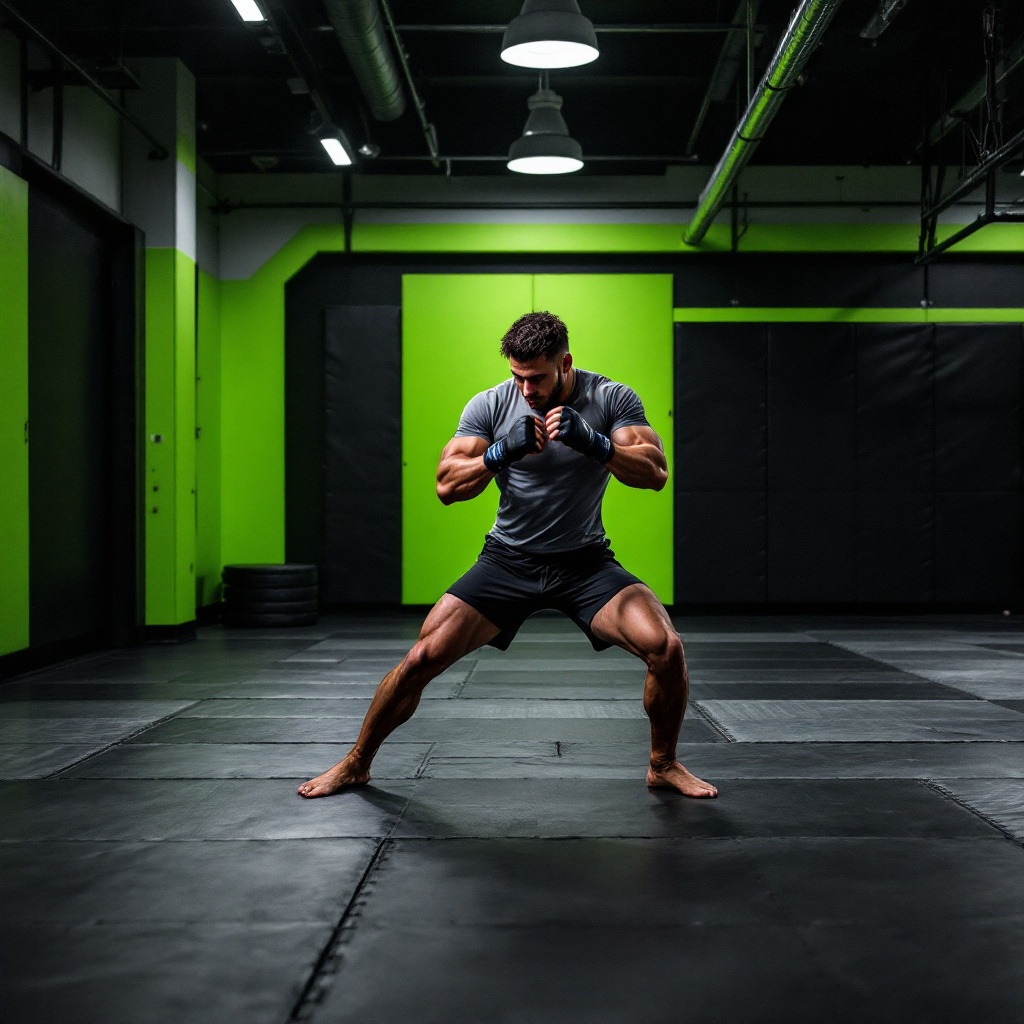
No gi is practiced without the traditional BJJ uniform, which impacts grappling techniques and strategies significantly. In a no gi session, practitioners usually wear a rash guard and grappling shorts or leggings. The absence of the gi’s collar and sleeves categorically changes the grip mechanics, demanding an evolution in both offensive and defensive tactics.
Body Mechanics and Grip Adjustments
Without the gi, grips focus more on controlling your opponent’s body, limbs, and head rather than their clothing. This shift demands improved hand placement, wrist control, and proficient use of overhooks or underhooks. To execute these skills effectively, practitioners often enhance their wrist and forearm strength to maintain superior control during scrambles and clinches.
Evolution of Techniques
What sets no gi apart is the focus on the use of an opponent’s movement, timing, and rhythm instead of fabric-based grips. Techniques like the guillotine choke, Kimura, and leg locks become pivotal. The essence lies in speed, creating transitions fluidly and reacting in real-time. BJJ.ee’s article on no gi’s greater Olympic potential elaborates on why no gi might present a more practical scenario for athletes eyeing the Olympics.
Training Approaches for No Gi Success
To excel in no gi, one must adapt training regimens to focus on specific attributes like agility, timing, and adaptability.
Step-By-Step Tactical Advice
1. Warm-Up and Mobility Exercises: No gi classes often start with dynamic warm-ups tailored to enhance hip mobility and joint flexibility. Monarchy MMA classes incorporate drills like shrimping and bridging extensively, laying the groundwork for fluid movement during sparring.
2. Improving Takedown Skills: Without a gi for leverage, takedowns become more critical. Focusing on single- and double-leg takedowns, combined with sprawling drills, builds a solid defensive and offensive base.
3. Strengthening Core and Grip: Specific core exercises such as planks, hanging leg raises, and wrist curls are essential. These improve stability and endurance during clinch and grappling exchanges.
No Gi vs Gi: A Comparative Insight
Each style offers unique advantages and suits different temperaments and goals. Understanding their disparities is crucial for practitioners deciding which path to pursue or how to blend them effectively.
| No Gi | Gi |
|---|---|
| Focuses on body grips and speed | Heavily reliant on gi grips and slower, methodical rolls |
| Enhanced realism for MMA applications | Traditional and valued for self-defense |
| Versatile in competitive modern BJJ | Often more advantageous in traditional tournaments |
| Emphasizes leg locks and agile movements | Rich in sweeps and grip-based submissions |
| More applicable to real-life scenarios | Offers a structured progression system of belts |
Overcoming Challenges in No Gi Training
As a coach at Monarchy MMA with over 14 years of experience, I’ve seen firsthand how students often struggle with the transition to no gi due to their reliance on gi grips. The primary challenge remains in adapting one’s technique to be efficient without the additional handles the gi provides. Here’s how to tackle these hurdles:
1. Develop Mental Adaptability: Allow time to acclimate to the faster pace and reduced grip options. Focus on maintaining control through position and pressure.
2. Enhance Footwork and Base: Since balance is key, focus on strengthening your base. Regular practice of sprawling and maintaining a staggered stance is crucial in no gi.
3. Nurture Consistent Practice: Incorporate no gi sessions regularly into your training schedule. Classes at Monarchy MMA offer ample opportunities not just to practice but to receive feedback tailored to no gi nuances.
Real-Life Scenarios: Navigating No Gi
Whether preparing for a competition, overcoming first-class nerves, or recovering from an injury, no gi offers versatile approaches that can be woven into broader training narratives.
Competition Prep
Preparation demands focus on specific drills that mimic high-intensity matches. At Monarchy MMA, practitioners receive specialized coaching that reinforces speed and technique necessary for competitive success. Coaches like João Pantoja offer insights gained from real-world competition scenarios.
Recovery and Resilience
Injury recovery in no gi might require customizing techniques to avoid aggravating conditions. Alternative drills and lighter sparring can aid recovery while preventing skill degradation.
Key Takeaways
- No gi requires adapting to body grips rather than fabric-based grips.
- Incorporate specific exercises to strengthen core and grip for enhanced performance.
- Regular practice of no gi techniques can ease the transition from gi-focused training.
- No gi is beneficial for real-life applications, including MMA preparation.
- Accessible classes at Monarchy MMA provide tailored no gi instruction.
FAQ
How does no gi differ from gi in practice?
No gi focuses on speed, body grips, and real-life application techniques, while gi relies on utilizing the uniform for grip-based controls and submissions.
Is no gi suitable for beginners?
Absolutely, no gi offers a simpler entry into grappling due to reduced complexity in grip work. Monarchy MMA provides beginner-friendly sessions designed for those new to no gi.
What should I wear to a no gi class?
A typical no gi outfit includes a rash guard paired with shorts or leggings, designed to support unrestricted movement and comfort during training.
How can I improve my no gi takedowns?
Focus on practicing double-leg and single-leg takedowns. Enhancing core strength and practicing drills such as sprawling can increase effectiveness and minimize vulnerability.
Can practicing no gi help my gi game?
Yes, many techniques in no gi improve speed, agility, and condition your reaction timing, translating into more dynamic gi rounds and a deeper understanding of positional control.
Monarchy MMA, with its diversified offerings and prime locations including Mont Kiara, Bangsar, and Damansara, presents an ideal setting for both aspiring and seasoned practitioners to explore the dynamic world of no gi. With highly-rated courses and a proven record, our centers offer both the resources and expertise necessary to master this compelling martial art.