
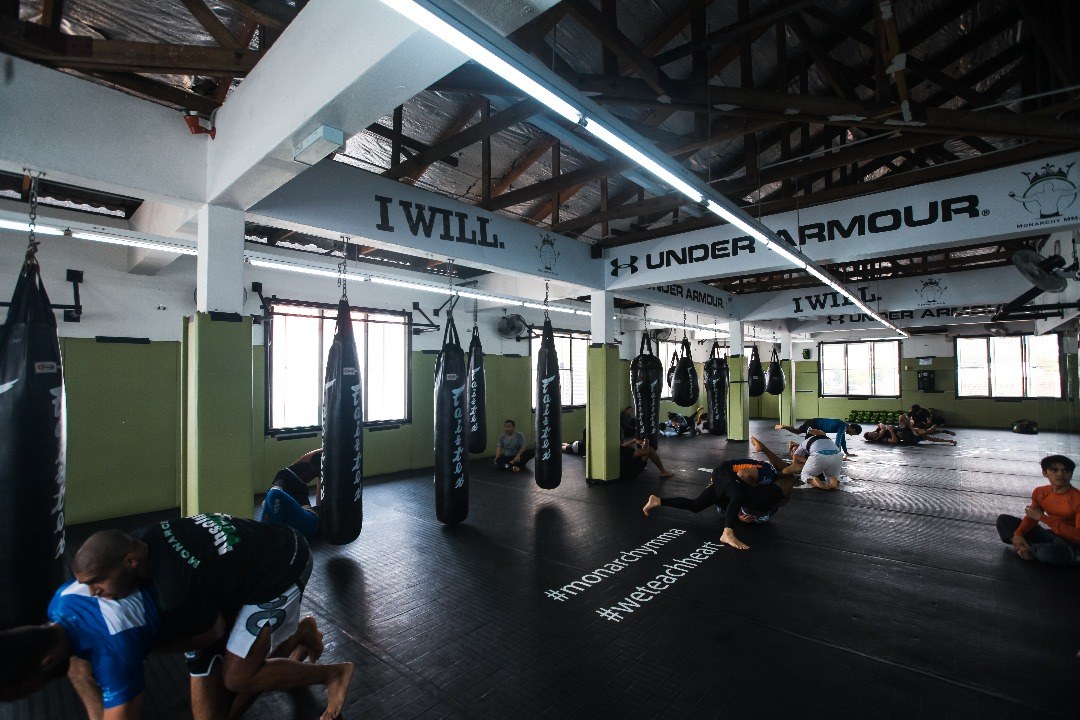
Flexibility may not be the first thing that comes to mind when you think of Brazilian Jiu-Jitsu (BJJ), yet it plays a crucial role in how effectively you can perform. An often-overlooked aspect, improving your range of motion can greatly enhance your BJJ performance by enabling smoother transitions, executing techniques more effectively, and reducing the risk of injury. Let’s delve into flexibility routines that can make a tangible difference in your BJJ practice, helping you tap into your maximum potential on the mat.
The Importance of Flexibility in Brazilian Jiu-Jitsu
Flexibility in BJJ is more than just being able to perform acrobatic moves; it’s about enhancing the mobility of your joints and muscles to improve your overall efficiency during grappling. A flexible athlete can maneuver out of tight positions with greater ease and apply techniques more precisely.
Navigating Through Positions
In BJJ, being stuck in a weak position can happen to anyone at any time. Flexibility allows for better navigation through these positions. For instance, escaping from the mount position becomes less daunting when your body can move and contort without problems. Similarly, the ability to transition from guard to attack can be improved tenfold.
Injury Prevention
Having flexible joints and muscles can significantly reduce the likelihood of injury. This is because flexible tissues adapt more effectively to the demands and stresses of the sport. By incorporating flexibility exercises into your routine, you condition your body to handle the unexpected demands placed on it during a match or practice session.
Essential Flexibility Routines for BJJ
Given the benefits, it’s essential to incorporate flexibility routines that suit your personal needs and capabilities. Here, we outline some routines that you can easily integrate into your BJJ training regimen at Monarchy MMA, where we offer specialized classes designed to refine every aspect of your performance.
Dynamic Stretches Before Training
Before stepping onto the mat, warming up with dynamic stretches can prepare your body for the rigorous activity ahead. Dynamic stretches help increase blood flow and elevate muscle temperature, improving performance and decreasing the chances of injury. Activities such as leg swings, arm circles, and torso twists are excellent starting points.
– Leg Swings: Stand next to a wall for balance and swing one leg forward and backward. Perform 10 swings per leg.
– Arm Circles: Extend your arms out to the sides and make small circles, gradually increasing their size. Continue for one minute.
– Torso Twists: Standing with feet shoulder-width apart, twist your torso from left to right. Do this for one minute.
Static Stretching for Recovery Post-Training
After a rigorous workout or sparring session, static stretching helps in the muscle recovery process. Holding stretches helps to elongate muscles, enhancing their range of motion over time.
– Hip Flexor Stretch: Kneel on one knee with the other foot in front. Push your hips forward until you feel a stretch in the hip flexors.
– Seated Forward Fold: While sitting with legs extended in front, reach your arms forward, bending from the hips to stretch the hamstrings.
– Neck Stretch: Tilt your head to one side and gently pull with your hand until you feel a stretch on the opposite side of your neck.
Implementing Yoga for Enhanced Flexibility
Yoga is a powerful tool for improving flexibility, and it’s especially beneficial for BJJ practitioners. Various yoga postures are specifically designed to open up tight areas and enhance joint flexibility.
Key Yoga Poses
– Pigeon Pose: This pose is excellent for opening up the hips, an area often tight in BJJ athletes.
– Downward Dog: Stretches the back, hamstrings, and calves, promoting overall flexibility.
– Cat-Cow Stretch: Improve spine flexibility with this flow that strengthens and stretches core muscles while massaging the spine.
For those seeking deeper insights into flexibility through yoga, Rajas Movement offers comprehensive yoga routines that are perfectly aligned with the needs of martial artists.
Breathwork: An Underestimated Flexibility Tool
Breathwork is often overlooked but can significantly enhance your flexibility routines. By focusing on your breathing, you can increase oxygen flow to your muscles, decreasing tension and facilitating more profound stretches. This practice allows you to hold stretches longer and with more comfort.
Breath Control Techniques
– Diaphragmatic Breathing: Focus on filling your belly with air before your lungs. This type of breathing promotes relaxation and helps muscles release tension.
– Deep Nasal Breathing: Inhaling and exhaling deeply through the nose maintains oxygen flow and encourages muscle relaxation during stretching.
Creating a Balanced Routine with Regular Practice
Consistency is critical. A well-designed flexibility routine integrated with your BJJ training at Monarchy MMA ensures that your improvements become long-lasting. Incorporate stretching daily, and pay particular attention to your body’s response to the exercises. Gradual progress is key.
Table: Dynamic vs. Static Stretching
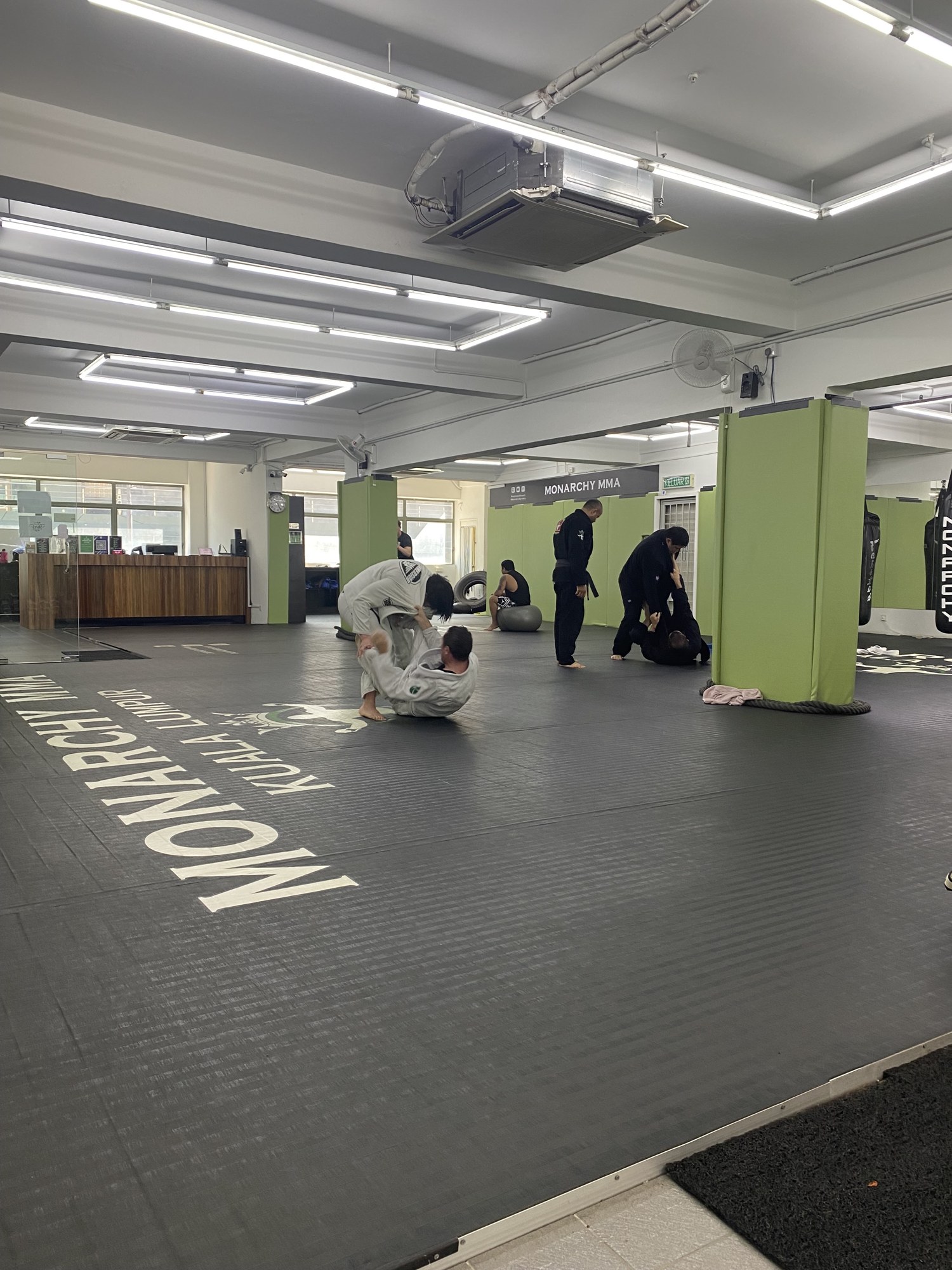
| Stretch Type | Suitable For | Benefits |
|---|---|---|
| Dynamic Stretching | Pre-training | Increases blood flow, raises muscle temperature |
| Static Stretching | Post-training | Improves flexibility, aids recovery |
Key Takeaways
- Flexibility is crucial for transitioning between BJJ positions efficiently.
- Dynamic stretches before practice help prevent injuries and improve performance.
- Static stretching aids recovery and enhances flexibility post-training.
- Yoga and breathwork improve flexibility, complementing BJJ practice.
- Regular stretching and breathing practices result in sustained flexibility improvements.
FAQ
Why is flexibility important in BJJ?
Flexibility enhances maneuverability, allowing practitioners to transition more smoothly between positions and execute techniques with greater precision, reducing injury risk.
What are some immediate benefits of improved flexibility for BJJ practitioners?
Improved flexibility leads to enhanced technical execution, quicker positional transitions, and a decreased chance of sustaining common grappling injuries.
How often should I incorporate flexibility exercises into my training routine?
Integrating flexibility exercises daily, especially with dynamic stretches before and static stretches after training sessions, yields the best results.
Can breathing exercises impact flexibility?
Yes, integrating breathing techniques helps relax muscles, allowing for deeper and more comfortable stretches, thus enhancing flexibility over time.
Where can I practice Brazilian Jiu-Jitsu and improve my flexibility in Kuala Lumpur?
Consider joining Monarchy MMA, where you can focus on flexibility and technical skills, conveniently located near Petaling Jaya and Bangsar. More details are available here: Brazilian Jiu-Jitsu Kuala Lumpur | 4.8★ Rated | Free Trial.
Further enhancing your training with flexibility routines will translate to better BJJ performance. For additional strategies on how recovery and environmental factors like heat impact performance, BJJ.ee’s comprehensive guide offers in-depth knowledge on this topic. By incorporating these insights, you can optimize your game at Monarchy MMA, voted the 4.8-star top MMA gym in Malaysia.
What Our Students Say — ⭐ 4.8 average rating from 879 Google reviews across all Monarchy MMA locations
★★★★★
“I have been training here for the last 8 years, started with Muaythai, boxing and for 7 years now focusing solely on BJJ. Definitely the best gym that I’ve ever trained with.”
— Arie
Powered by GymGrow SEO — SEO automation for gyms