
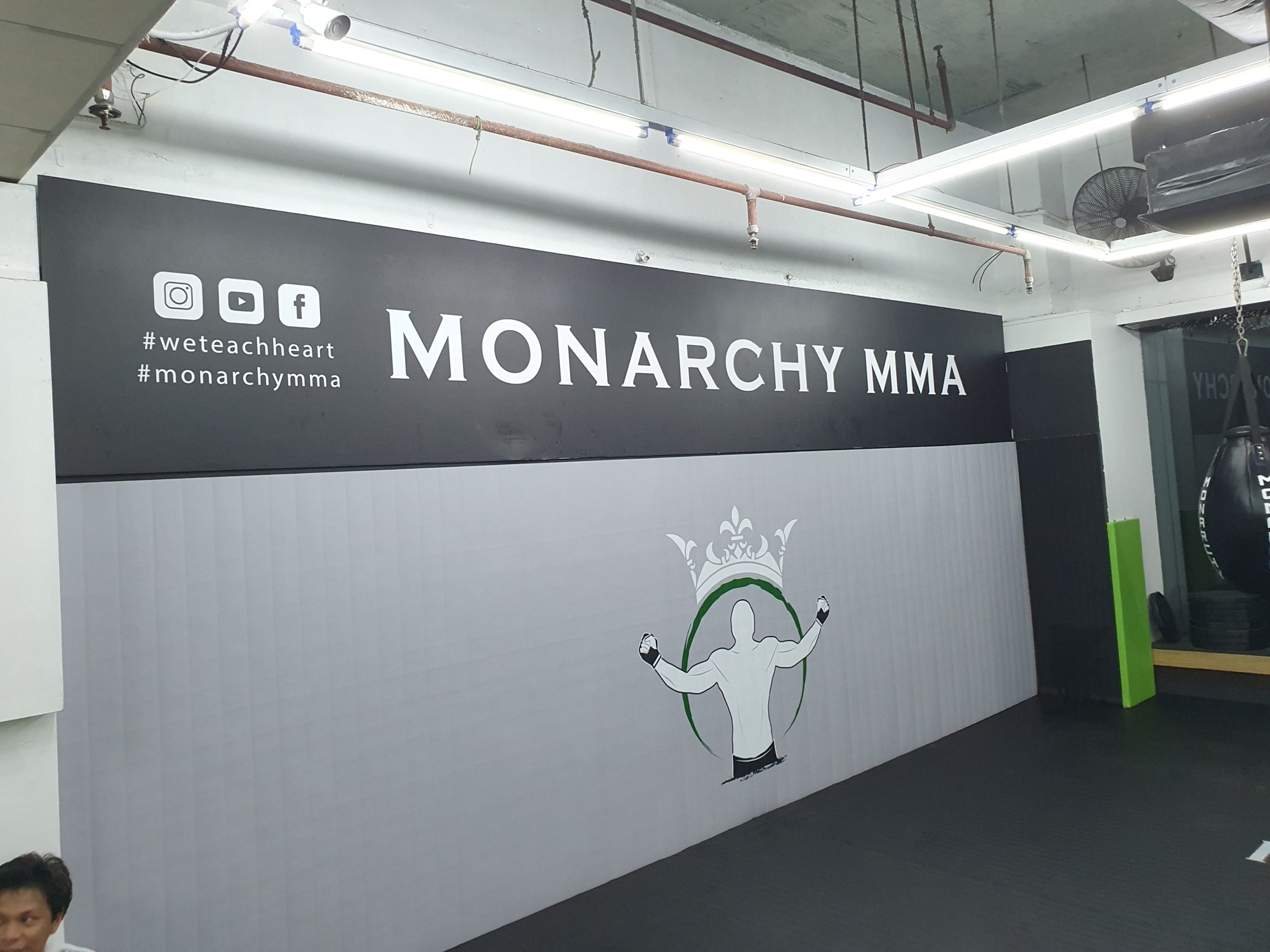
Achieving the art of controlling the turtle position in Brazilian Jiu-Jitsu (BJJ) and mixed martial arts (MMA) can set you apart in both training and competition. Not only does controlling this position neutralize potential threats from your opponent, but it also places you in a dominant role from which you can launch powerful attacks or transitions. Delve into the nuances and intricacies of dominating the turtle position, and you’ll find yourself executing techniques previously thought elusive. At Monarchy MMA, with our experienced coaches and tailored programs, mastering the turtle is within reach.
Understanding the Turtle Position
The turtle position might appear simple, but its defensive mechanisms and offensive potential are quite complex. This position is characterized by an individual huddled on all fours with elbows tucked and head down—a defensive shell that bides time against aggressive maneuvering. Contrary to some misconceptions, handling it effectively requires strategy rather than aggression.
In a typical training session or competition, when an athlete assumes the turtle, it may signal fatigue or a tactical stalling. From here, a skilled practitioner can easily transition to a dominant position, trap their opponent, or set up submission attempts. At Monarchy MMA, located conveniently around Petaling Jaya, Bangsar, and other areas, our coaches emphasize understanding this position’s tactical aspects.
Dominance through Position Control
Mastering control over the turtle is all about balance and leverage. An offensive player needs to focus on distributing weight without over-committing to one side, which could invite sweeps or reversals.
Balance and Pressure
– Weight Distribution: This is the first key to turtle control. By applying pressure on your opponent’s shoulders, you restrict their movement while remaining outside any reach of overcommitment that could lead to reversals.
– Knee-In Strategy: Sliding your knee towards your opponent creates angles from which hooks can be set, helping you advance to the back or prepare for an offensive roll.
Use of Hooks and Grips
Securing hooks is fundamental for back control and eventual transition to submissions such as the rear-naked choke. Grips on wrists or collars can restrict an opponent’s movement and set up opportunities for attacks.
Techniques for Controlling the Turtle
Aspiring martial artists often overlook the subtleties involved in absolutely dominating the turtle. Let’s examine some effective techniques to maintain control:
Step-by-Step Tactical Approach
– Cross-Grab Technique: Start by applying pressure on the back of your opponent’s neck with one hand while reaching across and grabbing their opposite arm. This cross-body grip disrupts their balance.
– Chair Sit Take-Back: After spreading your opponent’s elbows with pressure, slide your inside knee through to open their side, positioning for taking the back with a chair sit movement.
– Quarter Nelson Maneuver: Implement the quarter nelson when they attempt to posture up, pushing their chin toward their chest while driving them sideways.
For those looking to deepen their understanding of controlling this dynamic position, BJJ.ee’s complete guide to the BJJ turtle position covers this in detail.
Practicing Turtle Control at Monarchy MMA
At Monarchy MMA, we don’t just teach techniques; we develop strategic thinkers capable of analyzing and adapting to situational demands. With a 4.8★ average rating from 879 Google reviews, our approach integrates feedback from real-world application into training sessions led by experienced coaches like João Pantoja and Marcelo Junior.
– Drills for Mastery: Routine precision drills focusing on hooks and transitioning provide real-time solution building for turtle dominance.
– Situational Sparring: Controlled sparring reflects potential scenarios, emphasizing the moment-to-moment decisions crucial for maintaining control.
If aspiring fighters or MMA enthusiasts are seeking a place to apply these techniques, Monarchy MMA offers diverse programs in BJJ, No-Gi, and MMA accessible from areas like Mont Kiara and Damansara.
Table of Comparisons
Understanding the strengths and weaknesses of different methods is crucial for effective learning. Here’s a comparison of common mistakes versus correct forms in turtle control:
| Common Mistakes | Optimal Practices |
|---|---|
| Overcommitting weight to one side | Maintaining balanced pressure with distributed weight |
| Aggressive force over strategic placement | Adopting a calculated approach to disrupt balance |
| Underutilizing hooks | Effective use of hooks to maintain back control |
| Ignoring opponent hip movements | Paying attention to opponent cues for strategic advantage |
Understanding the differences between these approaches helps students refine their skills significantly, ensuring they take full advantage of training sessions at Monarchy MMA.
Key Takeaways
- Balance and pressure distribution is key to turtle control.
- Use strategic grips and hooks to restrict opponent movements.
- Advanced techniques like the cross-grab can disrupt balance effectively.
- Regular practice and drills at Monarchy MMA enhance proficiency.
- Awareness of your opponent’s movements guides tactical decisions.
FAQ
What are the options if my opponent turtles?
Common options include securing back control, transitioning to a more dominant position, or setting up submissions by applying pressure and creating openings.
How can I prevent my opponent from escaping the turtle?
Maintain adequate pressure, use hooks effectively, and watch for subtle movement cues to adapt quickly and prevent escape.
What drills can I practice to improve my turtle position control?
Incorporate drills focusing on pressure application, grip control, and back-taking techniques during training sessions to improve proficiency.
Is it easier to control a turtle position in Gi or No-Gi BJJ?
Both have unique challenges. Gi offers more grip opportunities, whereas No-Gi requires better grip control and strategic positioning due to the lack of attire for holding.
Can turtle position control be a key focus at Monarchy MMA?
Absolutely. With specialized BJJ and MMA classes at Monarchy MMA, students can focus on mastering turtle control through targeted training led by experienced coaches.
At Monarchy MMA, participants benefit from expert instruction in a supportive environment. Whether you’re diving into an MMA class for the first time or refining your skills as a dedicated student, our range of programs caters to all levels, forming a solid foundation for martial arts excellence. Come experience martial arts mastery at Monarchy MMA, easily accessible from Mont Kiara, Bangsar, and surrounding areas.
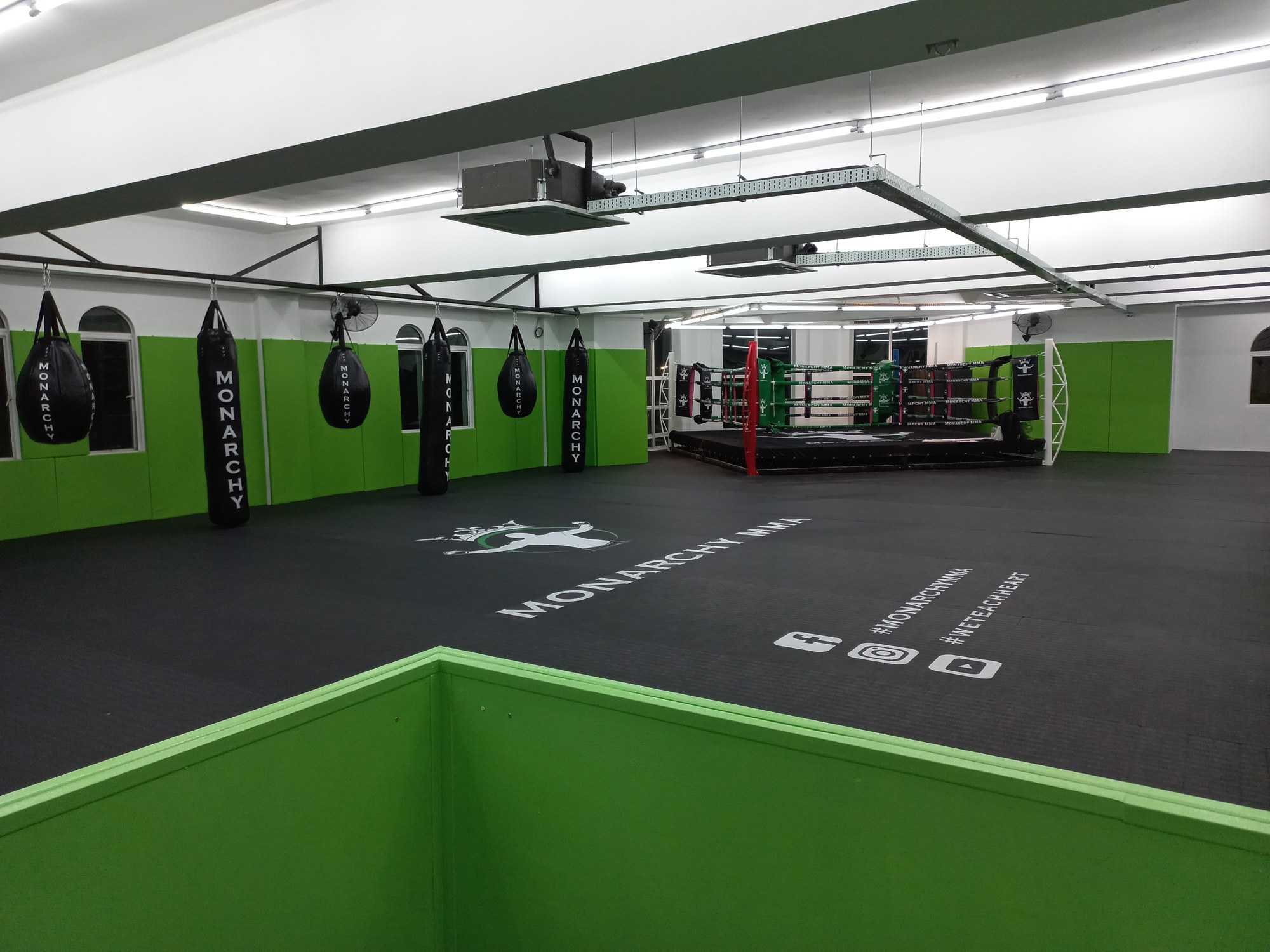
What Our Students Say — ⭐ 4.8 average rating from 879 Google reviews across all Monarchy MMA locations
★★★★★
“This is the third branch of what I consider the best mixed martial arts and fitness organization in the country. The coaches for each discipline, whether you’re interested in Brazilian jiu jitsu, Muay Thai, boxing, Wrestling, self defense or general fitness are all highly accomplished experts.”
— Education