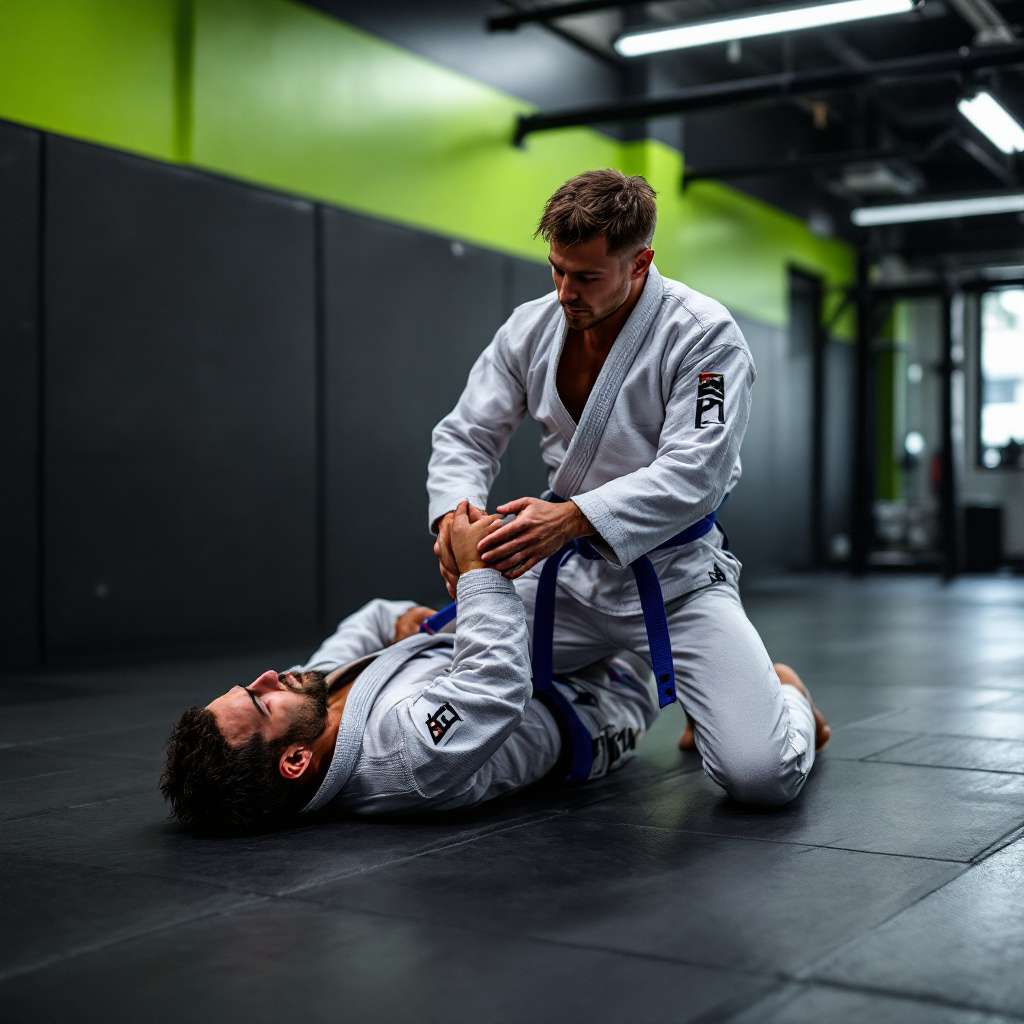
Brazilian Jiu-Jitsu (BJJ) and Judo are both dynamic martial arts that focus on grappling, but they play on different strengths. While BJJ emphasizes ground fighting, Judo is known for its throws and takedowns. By integrating BJJ into your Judo training regimen, you can create a well-rounded skill set that enhances your grappling prowess. At Monarchy MMA, we embrace this synergy, ensuring our students benefit from the best aspects of both disciplines.
Understanding the Fundamentals: Judo vs. BJJ
To truly grasp how BJJ complements Judo training, you first need to understand the foundational differences and similarities between the two. Judo, developed in Japan, focuses primarily on throws, takedowns, and the ability to subdue opponents using balance, leverage, and physics. In contrast, BJJ, which evolved from Judo itself, shifts the focus to ground control, submissions, and positional dominance.
Balance and Control
One primary concept shared between Judo and BJJ is the importance of controlling your opponent’s balance. However, the approach to achieving this control differs. Judo practitioners are trained to spot openings that allow for effective throws, using grips and foot sweeps. BJJ practitioners, on the other hand, are experts in off-balancing opponents on the ground, using techniques like the guard to disrupt stability and initiate attacks.
Techniques and Transitions
A seamless transition between standing and ground techniques is crucial. For example, learning how to transition from a Judo throw directly into a BJJ submission can be a game-changer in both self-defense and competitive scenarios.
| Aspect | Judo | BJJ |
|---|---|---|
| Primary Focus | Throws and Takedowns | Ground Control and Submissions |
| Starting Position | Standing | Both standing and on the ground |
| Scoring System | Emphasis on clean throws | Focus on ground positions and submissions |
| Key Techniques | Uchi-mata, O-soto-gari, Tai-otoshi | Guard pass, Rear naked choke, Armbar |
| Objective | Control through superior balance and physics | Control through leverage and submissions |
What Our Students Say — ⭐ 4.8 average rating from 897 Google reviews across all Monarchy MMA locations
★★★★★
“Training with Coach Piotr has been an amazing experience. He’s always full of positive energy, patient, and knows how to push you to improve without feeling overwhelmed.”
— Randy
The Tactical Edge: How BJJ Enhances Judo
For Judo practitioners, adding BJJ to their training arsenal brings a multitude of benefits. Although Judo prepares one for effectively dealing with takedowns, integrating BJJ fills gaps in groundwork, offering paths to escalate a successful throw into dominant ground positions.
Beyond the Mat: Competition Readiness
In competitions, Judo practitioners with BJJ competence can leverage their skills to gain tactical advantages. BJJ expertise enables Judokas to continue fighting effectively on the ground post-takedown, either by seeking submissions or controlling their opponent until an opportunity for a submission arises. This dual skill set can be particularly advantageous in martial arts tournaments with mixed rules, such as MMA.
– For those looking to deepen their understanding of how intention plays a critical role in training, BJJ.ee’s article about the importance of training with intention covers this in detail.
Skill Consolidation at Monarchy MMA
At Monarchy MMA, our experienced instructors guide you through the nuances of integrating BJJ into your Judo repertoire, from crucial technique adjustments to strategic insights that transform how you approach every match or sparring session.
Techniques to Integrate: Bringing BJJ into Judo
Integrating BJJ into Judo training isn’t just about learning new moves—it’s about harmonizing techniques for maximum effectiveness. Here’s how various BJJ techniques can complement Judo training:
Mastering the Guard
The guard is a cornerstone of BJJ that offers myriad opportunities. Judo practitioners, often ending up in their opponents’ guard, can strengthen their resilience and control by learning to work effectively from this position. BJJ teaches you to either pass the guard or neutralize an opponent, turning a potentially compromising position into a stronghold.
Arm Locks and Joint Manipulation
Many BJJ submissions like armbars and shoulder locks are effective supplements to Judo’s focus on throws. Once a throw has been executed, knowing how to follow through with a submission can decisively end a bout.
Building the Perfect Training Routine
Consistency and exposure to both Judo and BJJ techniques is key. You can create a training plan that suits your schedule and focuses on improving both stand-up throws and ground control.
Weekly Training Schedule Breakdown
1. Beginner Stage: Begin with two days focused on basic Judo techniques and two days on fundamental BJJ moves.
2. Intermediate Stage: Increase training intensity to include three days of Judo and two days focused on BJJ positional sparring and submissions.
3. Advanced Stage: Dedicate alternating days exclusively to Judo or BJJ, focusing on integrating stand-up and ground transitions.
Key Takeaways
- Integrating BJJ into Judo training creates a well-rounded martial arts skill set.
- BJJ’s ground control complements Judo’s throws, enhancing competitive effectiveness.
- Training both disciplines simultaneously enriches understanding of balance, leverage, and strategy.
- Practicing BJJ provides tactical advantages in martial arts competitions that include groundwork.
- Monarchy MMA offers opportunities to train in both disciplines with expert instruction in Kuala Lumpur.
FAQ
What is the primary benefit of adding BJJ to Judo training?
Adding BJJ to Judo training enhances your groundwork skills, giving you the ability to capitalize on throws with effective submissions or positional control, enriching your overall grappling ability.
Do BJJ and Judo complement each other in competitions?
Yes, the skills from BJJ can provide Judo practitioners with tactical advantages in competitions, particularly in contexts that allow groundwork following throws.
How often should I train in both disciplines?
Training two to three times a week in each discipline is ideal for most practitioners. This allows you to build strength and skill at a reasonable pace without risk of burnout.
Can beginners start learning both Judo and BJJ at the same time?
Yes, beginners can start learning both disciplines simultaneously. At Monarchy MMA, we cater to all experience levels, providing personalized guidance to ensure a smooth learning curve.
Where can I find quality instruction for both BJJ and Judo?
Monarchy MMA in Kuala Lumpur offers high-quality instruction in both BJJ and Judo. With multiple locations, including Bangsar and Mont Kiara, we are easily accessible for residents of Kuala Lumpur and surrounding areas.
By enhancing your Judo training with BJJ, you’ll not only develop more comprehensive grappling skills but also gain insights that can be adapted across various forms of martial arts, including disciplines like Kickboxing. For more, explore how our classes can Boost Your Confidence with Beginner-Friendly Kickboxing Classes in the Heart of KL. This cross-training approach is championed by our qualified instructors, who are here to support your journey every step of the way.