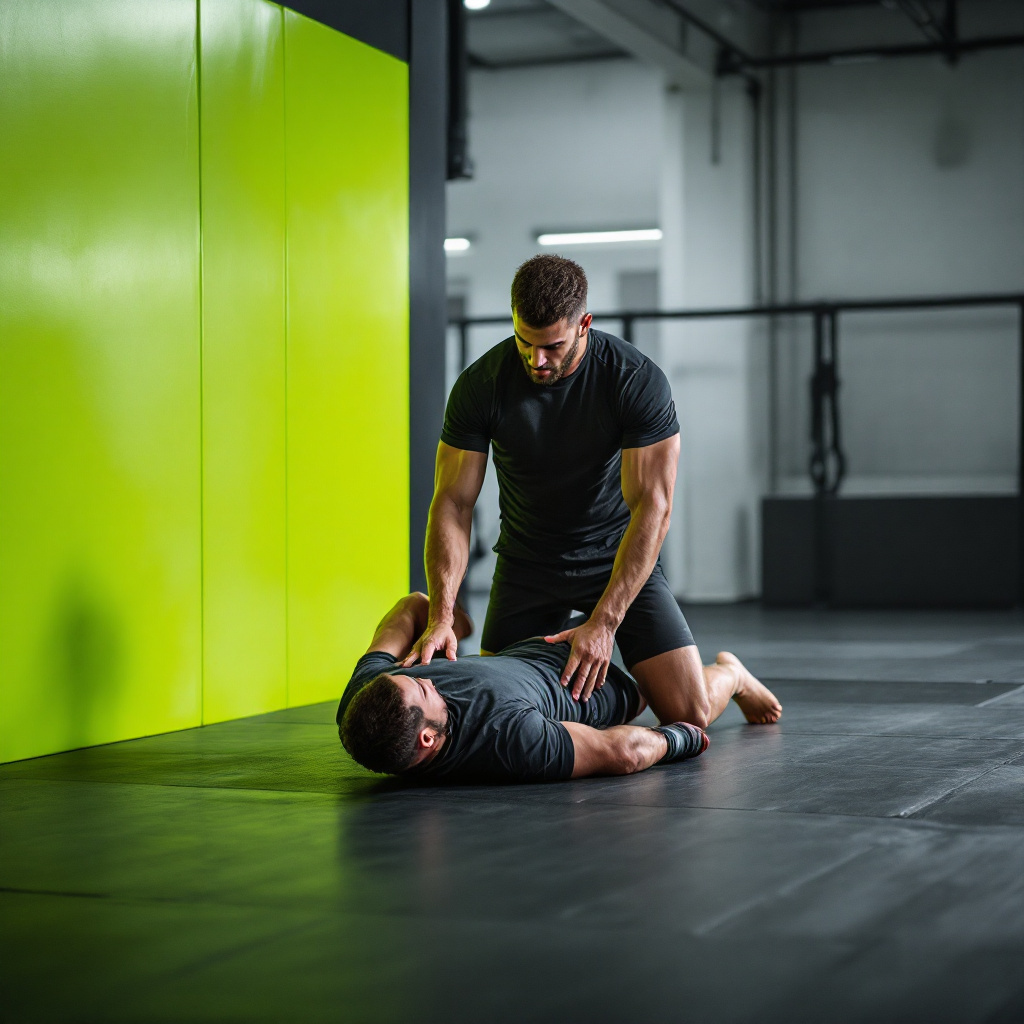
When it comes to grappling arts such as Brazilian Jiu-Jitsu (BJJ), controlling the turtle position is a skill that separates the proficient from the truly advanced. The turtle position, while seeming like a defensive choice, can either be your stronghold or a passage to vulnerability if not properly managed. A surprising fact is that this position isn’t unique to Brazilian Jiu-Jitsu; it’s also found in Wrestling, judo, and other martial arts that emphasize ground control. Whether you’re a BJJ competitor or a hobbyist looking to enhance your ground game, learning to control the turtle position effectively is crucial for maintaining dominance on the mat.
Understanding the Turtle Position
The turtle position is characterized by a kneeling posture where an individual curls up with their head tucked, arms securing their body, and knees on the ground. This position can act as a defensive shield, preventing opponents from gaining back control easily. However, its effectiveness lies in the skill of the practitioner. Simply put, the turtle position serves as both a shelter for those in defense and as an opportunity for those on offense to capitalize on their opponent’s momentary vulnerabilities.
Tactically, the turtle can be used to protect oneself temporarily, giving the defender a chance to recover or strategize their next move. For the attacker, it opens up potential transitions to a variety of controls and submissions. Yet, the complexity of the turtle position comes from balancing these transitions, leaving minimal opening for counters.
Techniques for Controlling the Turtle Position
Mastering control over the turtle position can turn the tide in any match, especially during competition.
Step-by-Step Tactical Approach
For practitioners looking to control an opponent in this position, executing a systematic approach is essential:
1. Positioning: Begin by positioning yourself perpendicular to your opponent’s spine to prevent them from suddenly pivoting and escaping.
2. Knee Placement: Your knee closest to their head should press against their shoulder, while your other knee can remain on the ground for stability.
3. Arm Control: Dominant control involves overhooking one of the opponent’s arms, rendering one of their potential escape routes ineffective.
4. Weight Distribution: Properly spread your weight through hips, chest, and shoulders to create pressure without becoming too top-heavy, which could result in a sweep.
Effective Techniques for Control
– Clock Choke: While staying aside your opponent, use your grip to apply gradual choking pressure. This technique can encourage transitions or force a submission.
– Spinning Armbar: Transition off to an armbar by controlling one of your opponent’s arms, then spinning around their body to isolate the limb for a submission.
– Crucifix Position: Secure one of their arms using your legs while taking their back, creating a highly dominant control scenario.
Common Mistakes and How to Avoid Them
When navigating the turtle position, even experienced practitioners can make mistakes which lead to lost opportunities or a reversal.
1. Incorrect Weight Distribution: If your torso is too far forward, it becomes easier for the opponent to roll you over. Maintain a balance, keeping the center of your weight over your knees.
2. Over-Committing to Submissions: While aggressive attacks can be tempting, it’s important to not over-commit to submissions, as this might create openings for escapes.
3. Neglecting Limb Control: Ensure that each of your opponent’s limbs is effectively managed to prevent escapes and reversals.
| Common Mistakes | Correct Measures |
|---|---|
| Leaning Forward Too Much | Keep hips centered over knees for stability. |
| Over-committing to Chokes | Secure position before attempting submission. |
| Neglecting Limb Control | Always monitor and control opponent’s arms. |
| Inadequate Pressure | Keep hips and chest heavy for constant pressure. |
What Our Students Say — ⭐ 4.8 average rating from 897 Google reviews across all Monarchy MMA locations
★★★★★
“Visited Monarch MMA City Centre Branch while on vacation in Kuala Lumpur and thought it would be a fun idea to try Muay Thai for the first time. The gym was very clean, the atmosphere was welcoming, and the training was both professional and enjoyable.”
— Lupita
Enhancing Your Skills With Drills
To refine your skills in controlling the turtle position, integrating specific drills into your regular training regimen at Monarchy MMA is highly recommended.
1. Positional Sparring: Engage in rounds of sparring where you or your partner starts in the turtle position, focusing on maintaining control.
2. Flow Drills: Practice transitioning from turtle control to back takes and armbar setups seamlessly, ensuring smooth execution without opening up for counters.
3. Pressure Drills: Develop your ability to apply sustained pressure without sacrificing control by practicing with resisting opponents who attempt to escape.
Tactical Advice from Monarchy MMA Experts
At Monarchy MMA, we understand the intricacies of controlling the turtle position and its critical role in grappling. Our experienced coaches from locations such as Bangsar, City Centre, and Mont Kiara focus on imparting advanced strategies that our students can use effectively during sparring sessions or in competition.
For those looking to deepen their understanding of the BJJ turtle position, BJJ.ee’s complete guide covers this in detail. It’s an excellent resource for those wanting to further dissect this essential part of the grappling game.
Key Takeaways
- Proper weight distribution is crucial to maintaining control.
- Watch for opponent signals to preempt potential escapes.
- Integrate effective techniques like the crucifix and armbar.
- Drilling and sparring in controlled scenarios improve tactical response.
- Control over turtle position can turn defensive situations to offensive.
FAQ
What is the best way to start learning the turtle position?
Begin with focused drills that emphasize positioning and weight distribution. Positional sparring at a gym like Monarchy MMA can provide practical insights.
How can I prevent my opponent from escaping the turtle position?
Maintain tight arm control, use your knees to block potential escapes, and always stay alert to your opponent’s movements.
Is it possible to attack while in the turtle position?
Yes, the turtle can be an offensive position with proper timing. Transitions to submissions like the armbar can pivot from defense to attack.
Why do I struggle to keep pressure on my opponent in turtle position?
Check your weight distribution and ensure you’re effectively using your chest and hips to apply pressure. Customize your approach based on your opponent’s reactions.
What are some advanced techniques for the turtle position?
Advanced practitioners often utilize moves like the clock choke or transitioning to a crucifix position for augmented control and submission opportunities.
Are you ready to integrate these insights and drills in your practice? Monarchy MMA, with a 4.8-star average rating from 885 reviews, provides the perfect environment for grapplers of all levels. Whether you’re joining us from nearby Petaling Jaya or Subang, our skilled coaches are committed to refining your ground game and overall martial arts proficiency. For those seeking specific weight control goals through martial arts, check our guide to achieve your weight loss goals with dynamic martial arts workouts in Kuala Lumpur.