—
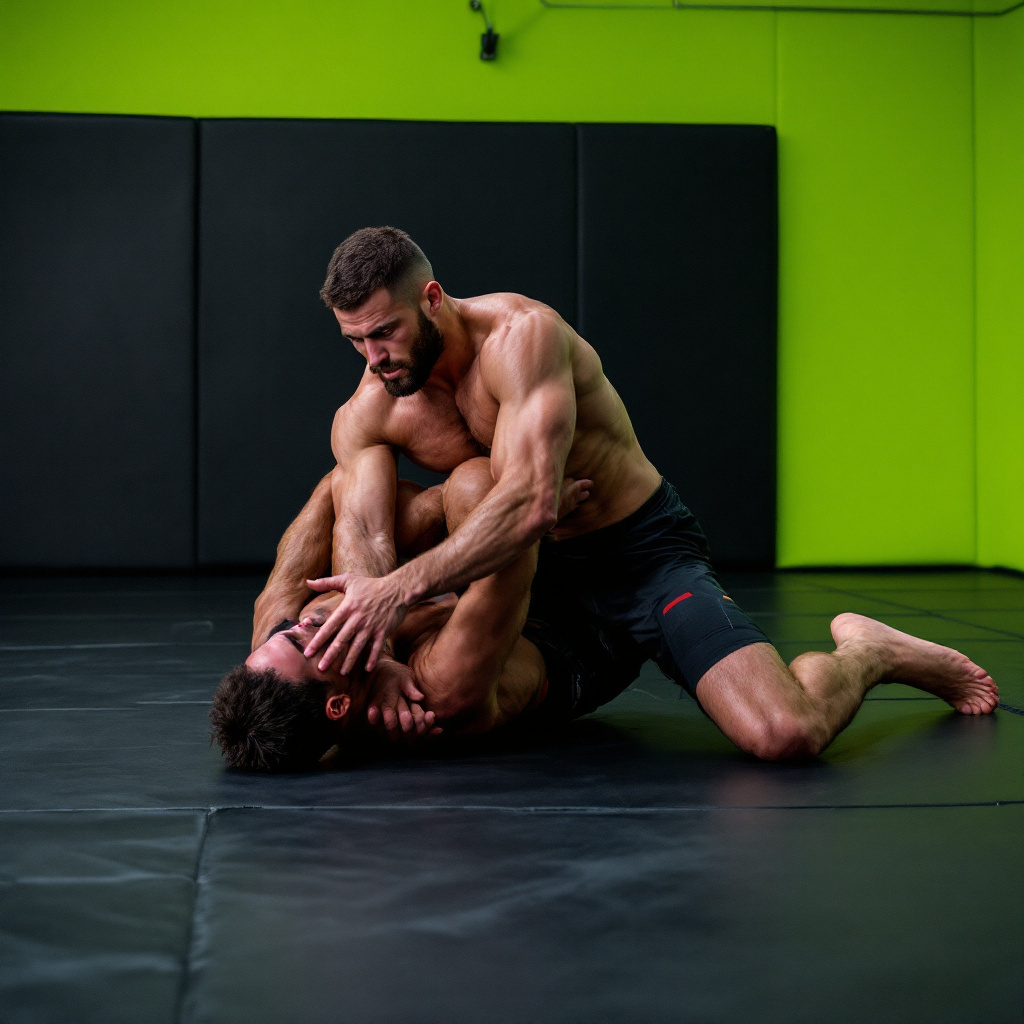
In the world of no-gi Brazilian Jiu-Jitsu (BJJ), the ability to execute and defend takedowns is a game-changer. Despite BJJ’s primary focus on ground techniques, no-gi competitions often hinge on effective takedown strategies. The absence of the gi requires a different approach, emphasizing agility, speed, and tactical precision over grip strength. For practitioners at Monarchy MMA, perfecting the takedown in No-Gi BJJ can transform you from a defensive player to an aggressive competitor, ready to control the match from start to finish.
Understanding the No-Gi Difference
The transition from gi to no-gi sessions at places like Monarchy MMA can initially be challenging. With no grips to rely on, the dynamic of the match shifts significantly. It’s crucial to appreciate these differences to excel in no-gi takedowns.
Reliance on Body Positioning
In no-gi BJJ, wrestlers often have the upper hand due to their extensive experience without grips. This means mastering body positioning is essential. Your stance must be lower and more agile, allowing you to react quickly to your opponent’s movements. Whether you’re adjusting to their footwork or anticipating their grappling style, understanding the nuances of positioning can prevent countless takedown attempts.
Grip vs. Underhooks and Overhooks
Without the gi for grip, controlling your opponent becomes all about using underhooks and overhooks. These hooks are your primary tools for advancing your position, setting up takedowns, and preventing your opponent from counterattacking. At Monarchy MMA, our sessions emphasize transitioning between these hooks seamlessly, allowing students to maintain control even as they go for the takedown.
Essential Techniques for No-Gi Takedowns
Mastering a variety of takedown techniques can make a significant difference in your no-gi game. Here are some pivotal techniques you should focus on:
The Double Leg Takedown
Arguably one of the most effective takedowns, the double leg is all about timing and execution. To perform it successfully, you must shoot in by dropping your level swiftly, driving your shoulder into your opponent’s midsection, ideally at their hips. Your hands should wrap around both legs, and with a strong push and pull motion, drive through to secure the takedown.
The Single Leg Takedown
Although similar to the double leg, the single leg takedown focuses on taking control of one of your opponent’s legs. Once you have their leg secured, it’s about maintaining pressure and manipulating their knee’s direction to off-balance them. Like the double leg, this technique requires impeccable timing and balance, skills honed during training at Monarchy MMA.
The Ankle Pick
A more nuanced approach, the ankle pick involves lowering your level to reach and control your opponent’s ankle while using your other hand to push or pull them off balance. It’s a superb choice when your opponent’s stance is overly aggressive or forward-leaning.
Common Mistakes and How to Avoid Them
Poor execution in no-gi takedowns often stems from common missteps that even experienced practitioners can make. Understanding these pitfalls is vital for success on the mat.
Hesitation and Lack of Commitment
One of the biggest mistakes is hesitating during the takedown attempt. Once you’ve dedicated yourself to a move, commit fully. Otherwise, you risk expending energy without results and possibly opening yourself up to a counter. At Monarchy MMA, our instructors guide you through mental and practical exercises to improve decisiveness.
Neglecting Grip Alternatives
Without the gi, some practitioners forget to capitalize on the multitude of non-traditional grips, such as cupping the back of the neck or controlling wrists and elbows. These grips can greatly influence the direction and speed of your takedown.
| Common Mistakes | Correct Form |
|---|---|
| Hesitating during a takedown | Commit fully once engaged |
| Relying too much on brute force | Utilize speed and technique |
| Ignoring non-gi grip techniques | Use wrist and neck controls |
What Our Students Say — ⭐ 4.8 average rating from 897 Google reviews across all Monarchy MMA locations
★★★★★
“I stopped by this gym while I was visiting and did both a Wrestling and nogi Bjj class. The instructor offered very high level wrestling instruction and training.”
— Cameron
Tactical Mindset: When to Shoot
Timing is everything in grappling, and this is doubly true for no-gi BJJ takedowns. Recognizing the right moment to shoot for a takedown can be the difference between success and finding yourself in a vulnerable position.
Reading Your Opponent
Always be aware of your opponent’s movements and foot positioning. Their forward pressure and stance can signal the perfect moment to go for a shot. At Monarchy MMA, drills help you improve your situational awareness, making your takedowns more instinctual and effective.
Energy Management
Another key factor is energy management. A well-executed takedown maintains energy efficiency. Learn to conserve and explode when necessary, transitioning smoothly between offensive and defensive positions. For those looking to deepen their understanding of these energy-efficient techniques, BJJ.ee’s coverage of Diego “Pato” Oliveira explores this in detail.
Training for Takedown Success
Practice, along with expert guidance, is paramount for developing a strategic approach to takedowns. Here at Monarchy MMA, whether you’re preparing for your first competition or refining skills for general practice, structured training sessions can help you achieve your goals.
Drilling with Purpose
Drilling is where technique turns into muscle memory. Use drilling to focus on specific no-gi techniques — ensure that each session has a purpose. Work on your footwork, leverage, and learn to blend these aspects fluidly.
Realistic Sparring Sessions
Monarchy MMA offers sparring sessions that mimic real competition intensity. It’s essential to practice under conditions that mirror what you might face in a match. This experience helps you manage adrenaline and utilize techniques reflexively.
Key Takeaways
- Embrace body positioning over grip reliance; it’s crucial for effective takedowns.
- Commit fully to each takedown attempt to ensure success and avoid counters.
- Develop a strategic mindset by recognizing ideal moments to engage.
- Utilize Monarchy MMA’s expert-guided drilling for improving precision.
- Realistic sparring at Monarchy MMA aids in developing competitive readiness.
FAQ
What are the key differences between gi and no-gi BJJ takedowns?
The main difference is the reliance on grips. In no-gi BJJ, practitioners must focus more on underhooks, overhooks, and body positioning due to the absence of a gi for gripping.
How can I improve my no-gi takedown skills effectively?
Regular practice at a specialized gym like Monarchy MMA is crucial. Emphasizing body mechanics, timing, and sparring under realistic conditions can significantly improve your skills.
Are wrestling takedowns applicable in no-gi BJJ?
Yes, many wrestling takedowns, such as the double leg and single leg, are highly effective in no-gi BJJ due to their focus on body control without the need for grips.
How often should I practice takedowns?
Consistency is key. Practicing takedowns a few times a week as part of your routine at Monarchy MMA can lead to substantial improvements over time.
Is no-gi BJJ suitable for beginners?
Absolutely. Many beginners find no-gi BJJ less intimidating and more accessible, as it relies more on speed and agility. With expert guidance at Monarchy MMA, beginners can quickly feel at home.
—
Perfecting takedowns in no-gi BJJ at Monarchy MMA not only enhances your competitive edge but also enriches your overall martial arts experience. Whether you’re aiming for mastery or just beginning your journey, our expert instructors are here to guide you every step of the way. Joining a local class accessible from areas like Bangsar and Mont Kiara can be your first step towards honing your BJJ skills. Don’t forget to visit our section on Achieve Your Weight Loss Goals with Dynamic Martial Arts Workouts in Kuala Lumpur for more insights into how BJJ can transform your fitness journey.