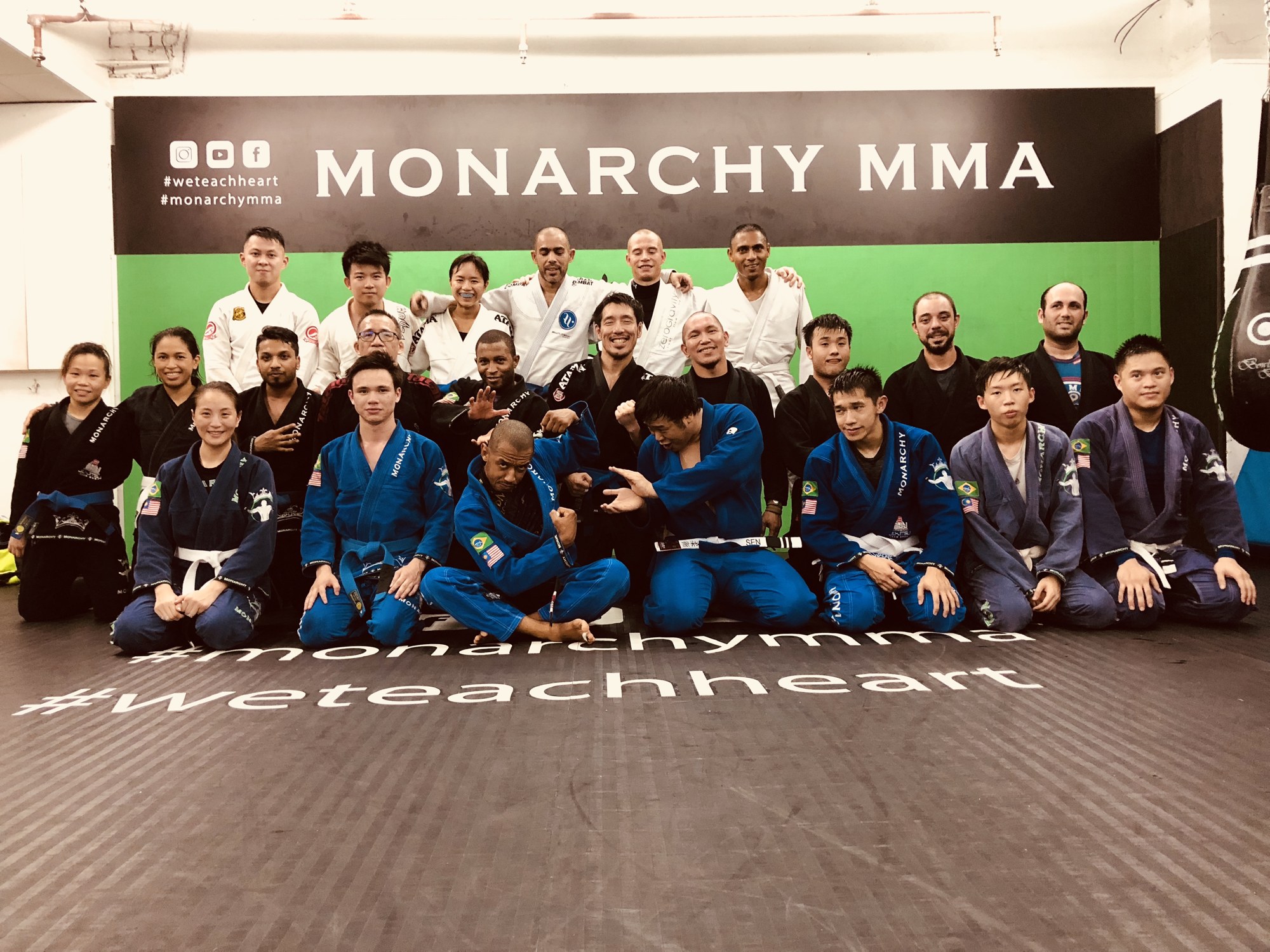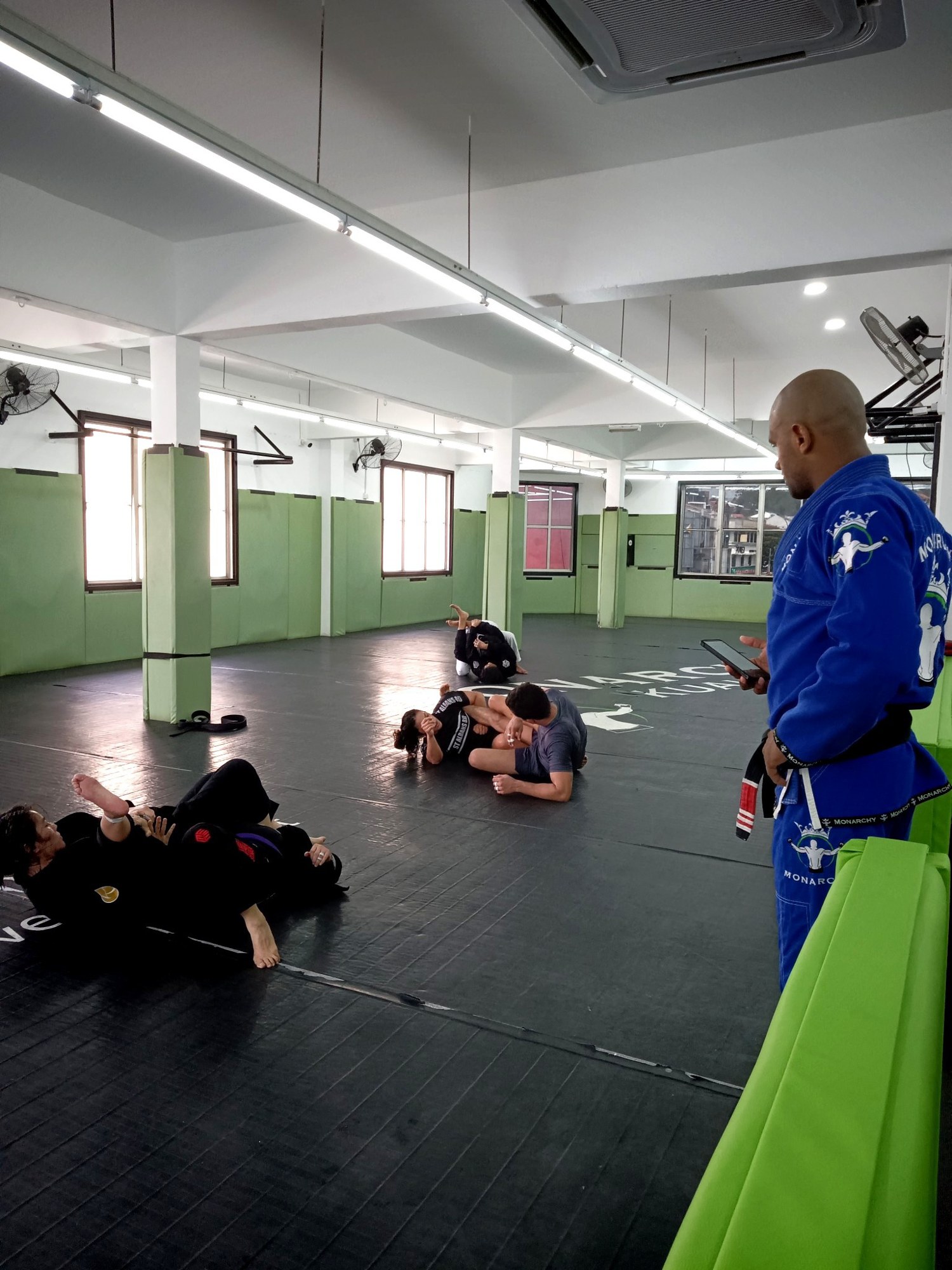
Stepping onto the mat armed with an array of effective guard passes can be the determining factor in your competition success. Whether you’re competing in local tournaments or renowned international stages, your ability to neutralize an opponent’s guard can provide you with a substantial edge. Mastering guard passing not only showcases your skill but also dictates the pace of the match, keeping you in command. At Monarchy MMA, we’re committed to helping our students from Bangsar, City Centre, Kota Damansara, and Mont Kiara become proficient in these techniques. With a 4.8★ average rating from 879 Google reviews across all locations, our expertise and dedication to martial arts excellence are evident.
Understanding the Core Principles of Guard Passing
To develop an effective guard-passing game, one must first understand the essential principles behind it. Effective guard passing often hinges on three core elements: posture, pressure, and positioning.
Posture
Maintaining a strong posture is crucial when attempting to pass an opponent’s guard. By keeping your spine straight and your hips lower than your partner’s, you increase your balance and reduce the risk of being swept. A strong posture allows you to apply pressure correctly, which is vital in breaking through an opponent’s defensive setup.
Pressure
Applying consistent pressure helps to disrupt your opponent’s rhythm and create openings for a pass. Pressure can be applied through various parts of your body, depending on the type of guard you’re up against. For example, when passing De La Riva guard, using your shins and hips to apply pressure can compromise your opponent’s grip strength and balance.
Positioning
Positional awareness is key in ensuring you’re always one step ahead. Being able to recognize and capitalize on positional advantages, like achieving the crossface while passing half-guard, can help you dominate your opponent.
Techniques for Various Guard Types
Different types of guards require different approaches. Let’s explore several effective techniques for passing popular guard styles.
The Closed Guard
The closed guard is one of the most common positions new students face. A simple yet effective pass is the “Double Underhook Pass.”
1. Secure the underhooks on your opponent’s legs by weaving your arms underneath them.
2. Stack your opponent by driving your body forward, crumpling their hips towards their shoulders.
3. As your opponent’s hips elevate, swivel your body to one side, effectively moving into side control.
Open Guard
The open guard requires mobility and timing. A popular pass used here is the “Toreando Pass.”
1. Control your opponent’s shins or ankles and stand up.
2. As you pivot your hips away, pull their legs to one side, moving around their guard.
3. Land in side control, maintaining control of their legs to prevent further guard retaliation.
Half Guard
Passing half guard needs patience and technique, such as the “Knee Slice Pass.”
1. Establish a crossface with one arm and secure an underhook with the other.
2. Slide your knee across their thigh, cutting through to side control.
3. Use your free leg to clear any remaining hooks and secure your position.
Training Advice for Competition
Training with the competition in mind requires a specific mindset and approach. Here’s a tactical breakdown of some training advice to refine your guard-passing abilities.
Step-by-Step Tactical Advice
1. Begin with Positional Drilling: Start your training sessions with dedicated guard-passing drills. Focus on one technique per class until it becomes second nature.
2. Transition Drilling: Incorporate drills where you transition between passes, adapting to dynamic situations similar to competition scenarios.
3. Spar Intensely for Short Rounds: This simulates the burst of energy and focus needed in a competition and helps in developing reflexive response under pressure.
4. Analyze and Adjust: After each sparring session, review what worked and what didn’t. Make adjustments and develop counters for when an opponent defends effectively.
Common Mistakes vs Correct Form
Understanding what to avoid is as crucial as understanding what to do. Below is a comparison of common mistakes versus the correct form for guard passing.
| Common Mistakes | Correct Form |
|---|---|
| Overcommitting: Leaning too far forward, compromising balance | Maintain a straight posture to ensure balance and control |
| Not Controlling Hips: Losing control of opponent’s hips, allowing them to re-guard | Consistently apply pressure to opponent’s hips |
| Inconsistent Pressure: Applying erratic pressure that allows the opponent to recover | Use steady, controlled pressure, adapting as needed |
| Ignoring Grip Breaks: Failing to break grips, which can neutralize a pass | Actively break their grips to maintain control and flow |
| Rushing the Pass: Attempting quick passes that leave openings | Focus on methodical, step-by-step passing for effectiveness |
What Our Students Say — ⭐ 4.8 average rating from 879 Google reviews across all Monarchy MMA locations
★★★★★
“I appreciate the effective teaching methods at the Monarchy MMA (Jiu-Jitsu) gym. The coach’s attention to detail and clear explanations have significantly improved my skills.”
— Mohd
Key Takeaways
- Effective guard passing revolves around posture, pressure, and positioning.
- Different guard types require specific passing strategies—identify and drill these regularly.
- Regular analysis and adjustment of tactics can enhance performance during competitions.
- Correcting common mistakes in real-time during sparring can significantly improve skills.
- Training at gyms like Monarchy MMA provides expert guidance in improving guard-passing techniques.
FAQ
What is the significance of posture in guard passing?
Maintaining a strong posture ensures balance and control, reducing the likelihood of sweeps and allowing effective application of pressure.
How can I practice guard passing effectively at Monarchy MMA?
Engage with our expert BJJ and No-Gi coaches who specialize in competition training. Attend classes regularly in our convenient locations like Bangsar and Mont Kiara, accessible from Petaling Jaya and Subang.
What should I focus on when passing half guard?
Focus on securing a crossface and underhook, ensuring steady pressure as you slice through the guard, and always be prepared to defend any advancing opportunities from your opponent.
How do I deal with nerves during my first BJJ competition?
Preparation is key—engage in regular sparring and competition scenarios at Monarchy MMA to build familiarity and confidence. Remember, feeling nervous is natural and part of the competitive experience.
Where can I find detailed advice from experienced fighters?
For those looking to deepen their understanding of competition techniques, BJJ.ee’s insights on Demetrius Mighty Mouse Johnson’s competition experiences cover this in detail.
Remember, success in competition is not solely about brute strength but about mastery of techniques, strategic thinking, and consistent practice. Whether you’re preparing for your first competition or looking to refine your skills, Monarchy MMA offers a comprehensive training environment with top-notch facilities and coaching. Access our free trial today to start honing your guard-passing skills and elevate your martial arts journey.