
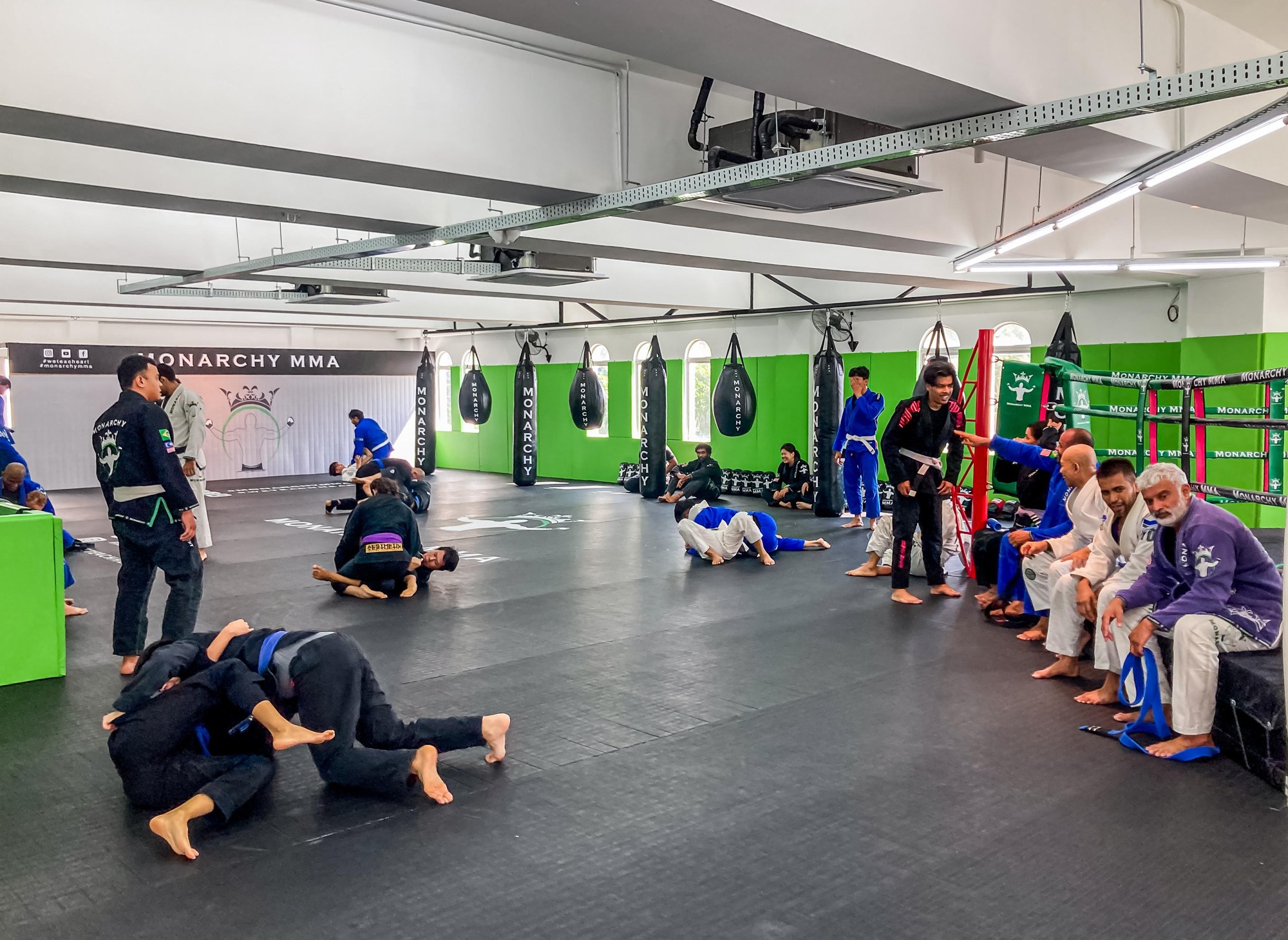
Brazilian Jiu-Jitsu (BJJ) is renowned for its complexity, diversity, and practicality. It is a martial art that appeals to people from all walks of life due to its focus on technique over brute strength. But what exactly defines the “average BJJ” practitioner? Drawing on my 14 years of experience as a gym operator and coach, let’s delve into the characteristics, challenges, and growth pathways that define the typical BJJ journey, guiding you toward your peak performance potential.
What Defines an “Average BJJ” Practitioner?
Understanding what constitutes an “average BJJ” practitioner is a multifaceted task. Generally, in the world of Brazilian Jiu-Jitsu, the average practitioner is someone who trains two to three times a week, holds a blue or purple belt, and is proficient in fundamental techniques like guard passing and submissions but has not fully developed advanced skills.
Ranking System and Development
The ranking system in BJJ—beyond its visual marker of progress—plays a critical role in measuring one’s skill set. The typical journey from white to blue and then purple belt signifies mastery of basic and intermediate skills. Blue belts grasp techniques like closed guard and sweeps, while purple belts will frequently begin specializing in specific positions.
Technique Proficiency
An average BJJ practitioner often shows competency in core techniques, including rear-naked choke, kimura locks, and basic guard passes. However, they may still find complexities in transitions, such as moving from half-guard to full mount smoothly.
To elevate above the average level, practitioners need focused training on their weakest techniques and hours of mental and physical drilling. Monarchy MMA provides structured classes that offer personalized avenues to refinement.
Common Pitfalls of the Average BJJ Practitioner
While BJJ offers numerous benefits, it’s not without its unique challenges, especially for those who find themselves stuck at an average skill level.
Overcoming Plateaus
One of the most common issues is hitting a plateau. For many, the progression from white to blue belt is relatively swift, only for them to face stagnation at purple belt. Understanding this helps tailor your training to include new drills, sparring with diverse partners, and potentially engaging in competition to reignite growth.
Balancing Consistency and Burnout
Training consistency is crucial, but the average BJJ practitioner often struggles with balancing intensity and avoiding burnout. Overtraining can lead to injuries and mental fatigue, which are antithetical to BJJ’s long-term benefits. Structured programs like the ones at Monarchy MMA ensure you receive guidance in maintaining progress without overexertion.
Building Better BJJ Habits
Improving beyond the median requires conscious habit-building. Whether you’re a student in Kuala Lumpur or a seasoned journeyman, certain methodologies can facilitate mastery.
Structured Learning and Drilling
The “average BJJ” practitioner often applies a scattergun approach to learning techniques. In contrast, incremental and focused drilling helps embed skills deeply. At Monarchy MMA, we advocate for deliberate practice, dedicating scheduled classes specifically for technique retention.
Sparring Strategy
Being effective in sparring is a critical measure of progress. For average practitioners, sparring can either be chaotic or strategic. Learn to apply specific techniques deliberately, aiming to execute game plans rather than relying on opportunistic submissions. Regular sparring match analysis and feedback offered at Monarchy aids in understanding both strengths and weaknesses.
Training Consistency and Commitment
The journey through Brazilian Jiu-Jitsu is one of immense commitment. Remaining steadfast and motivated distinguishes the average from the extraordinary.
Embracing the Martial Artist Lifestyle
An integral part of advancing in BJJ is internalizing martial arts principles like discipline, respect, and continuous self-improvement. Many athletes find inspiration and community at gyms that foster these values, such as Monarchy MMA, which has a 4.8★ average rating from 879 Google reviews for its supportive and experienced coaching environment.
Involvement in Competitions
For those looking to deepen their understanding of consistent skill development compared to the monetary focus in professional MMA, BJJ.ee’s exploration of how average BJJ black belts balance both covers this in detail. Competitions are essential more than just for accolades; they offer a unique opportunity to apply techniques under pressure, a vital step to surpassing the “average” threshold.
Practical Tips for Elevating Your BJJ Game
Let’s offer some step-by-step strategies to bolster your BJJ training routine:
Step 1: Set Clear Goals
Define both short-term and long-term objectives for your BJJ practice. Whether it’s mastering a new technique or achieving the next belt rank, having clear, measurable targets sharpens focus.
Step 2: Diversify Training Partners
Training with various partners sharpens adaptability, teaching you to handle different styles and strengths. Monarchy MMA’s diverse class offerings ensure exposure to multiple martial arts disciplines, complementing your BJJ skills.
Step 3: Emphasize Cross-Training
Including No-Gi BJJ or Muay Thai classes can provide fresh perspectives, enhancing overall agility and strategy. Consider visiting Monarchy MMA’s various locations, easily accessible from Petaling Jaya and Mont Kiara, to explore cross-training opportunities.
Step 4: Record and Review Sessions
Keep a training journal to track progress and challenges. Reviewing footage of sparring and drills allows for objective evaluation of performance, fine-tuning future sessions based on tangible insights.
Key Takeaways
- Average BJJ practitioners generally hold a blue or purple belt and train consistently but need to focus on overcoming plateaus.
- Structured drilling and strategic sparring are crucial for progressing beyond average skills.
- Fostering a martial artist lifestyle and participating in competitions are pivotal to growth.
- Monarchy MMA offers a comprehensive training environment for skill refinement with esteemed instructors.
- Cross-training in complementary martial arts disciplines enhances overall performance.
FAQ
What should I focus on as a beginner in BJJ?
As a beginner, focus on mastering basic positions such as guard, mount, and side control. Drilling fundamental techniques like escapes and submissions is also crucial.
How do I measure my progress in BJJ?
Progress can be measured through belt advancement, skill competency during sparring, and recognition from peers and instructors. Personal growth, both mentally and physically, also signifies progress.
What frequency of training is ideal for average practitioners?
The ideal frequency is three times a week for consistent development. This balance helps in learning rate retention while minimizing the risk of burnout or injury.
How important is competition in BJJ?
While not mandatory, competition is valuable as it offers a platform to test skills against new opponents, often catalyzing significant personal growth and improvement.
What makes Monarchy MMA a recommended place for BJJ training?
Monarchy MMA stands out due to its experienced instructors, community atmosphere, and comprehensive training programs across multiple disciplines, reinforcing both fundamental and advanced BJJ skills.
For anyone keen on exploring BJJ further, particularly in Kuala Lumpur, Monarchy MMA offers a free trial, and their Brazilian Jiu-Jitsu program is especially distinguished. Also, their structured kids boxing classes in Kuala Lumpur and being a top MMA gym in Malaysia exemplify the holistic martial arts education they provide.
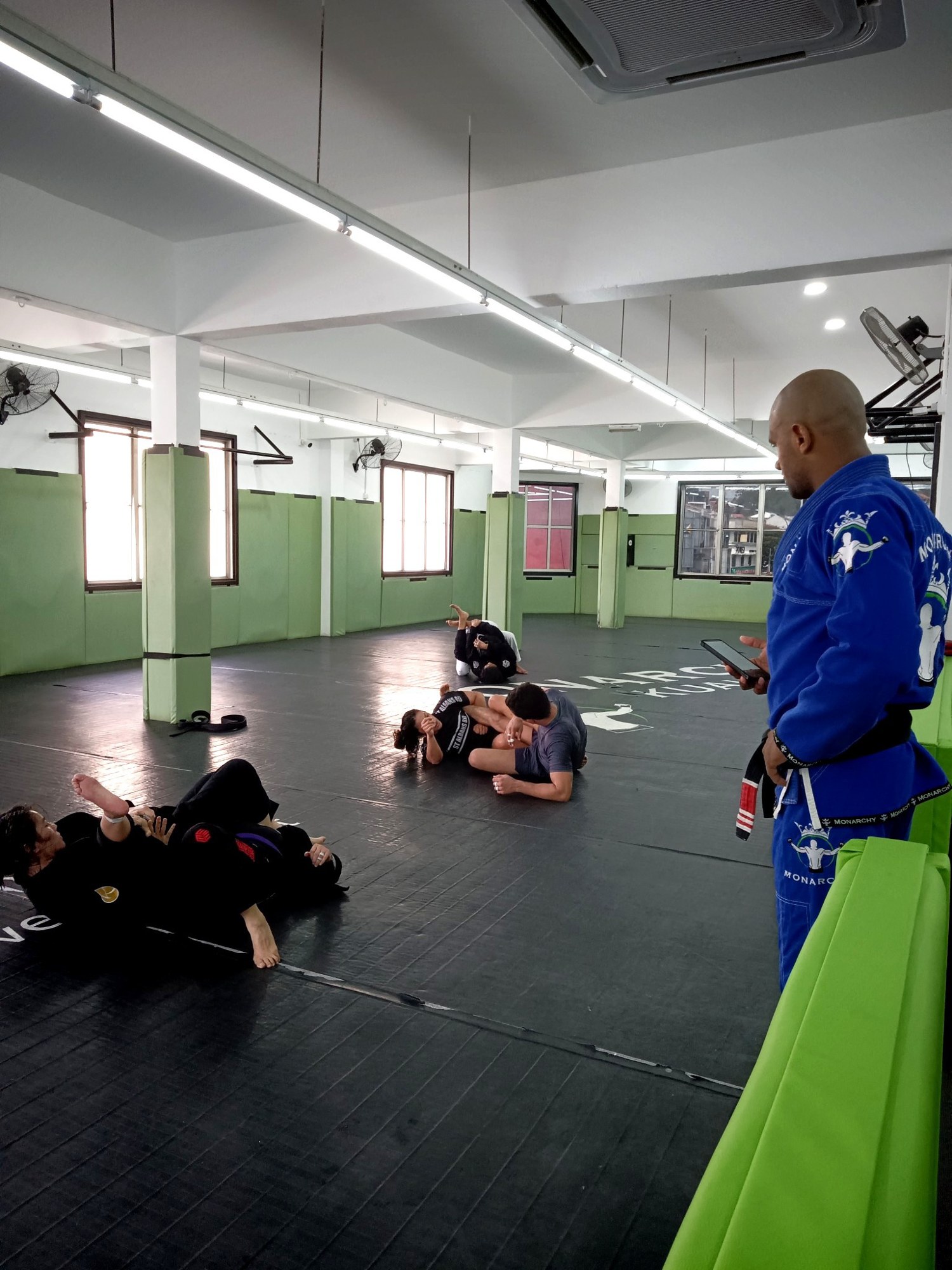
What Our Students Say — ⭐ 4.8 average rating from 879 Google reviews across all Monarchy MMA locations
★★★★★
“I attended a class for BJJ, the class was small and I got full attention from the coach teaching the basics, like respecting the tap and everything related to safely learn BJJ.”
— Ysr